Coachella 2026
Exploring Coachella 2026: The brand activations leading the charge and catching our eye as designers this year.

Coachella 2026
“Coachella is a world-class musical and architectural tapas, a rotating gallery of cultural eras where every performance and space is an intense burst of creative talent.”
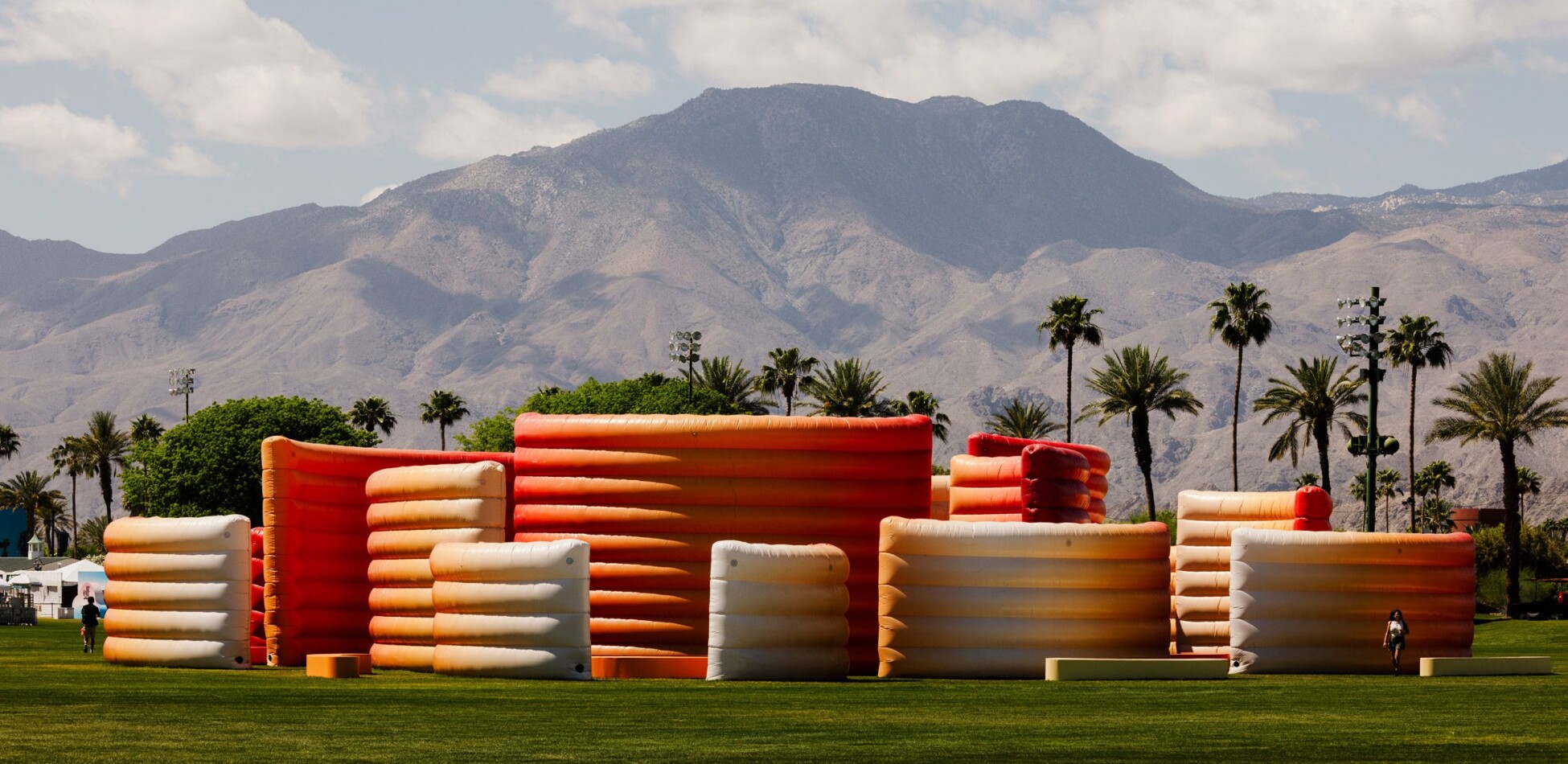
As Coachella 2026 unfolds, the desert has once again transformed into the ultimate litmus test for experiential retail, where the architecture of the festival is as curated as the lineup itself. This year, the valley feels less like a singular event and more like a rotating gallery of cultural eras, whether it’s the high-energy pop influence of “Sabchella,” the indie-rock grit of “Strokeschella,” or the star-studded “Bieberchella” moments. These shifting identities dictate the weekend’s aesthetic and stage design, creating a world-class musical/architectural tapas of artists who give their all.
In this blog, we’re stepping into the spectacle. While these activations might only live in the desert for two sun-drenched weeks, they represent a high-octane, year-round marathon of strategy and 3D design that we live and breathe at Design4Retail. It’s about more than just a pop-up; it’s about the massive technical feat of building premium destinations from scratch in the middle of nowhere. We’ve rounded up our top five brand destinations from this year, the ones that are actually breaking through the noise, making a difference to the festival experience.
HEINE-CHELLA
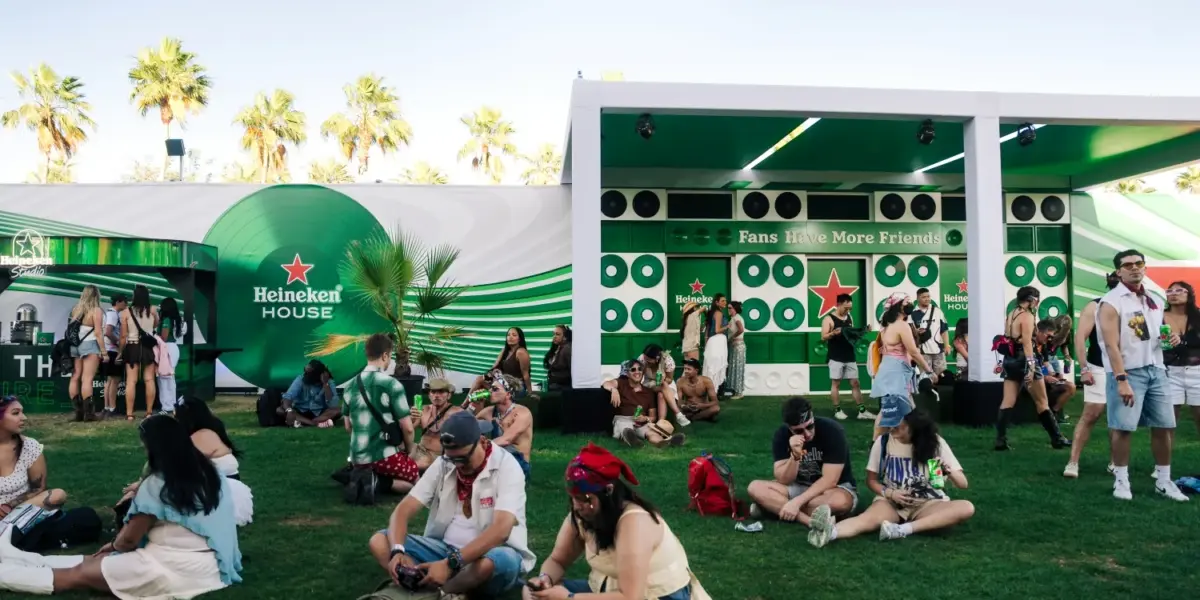
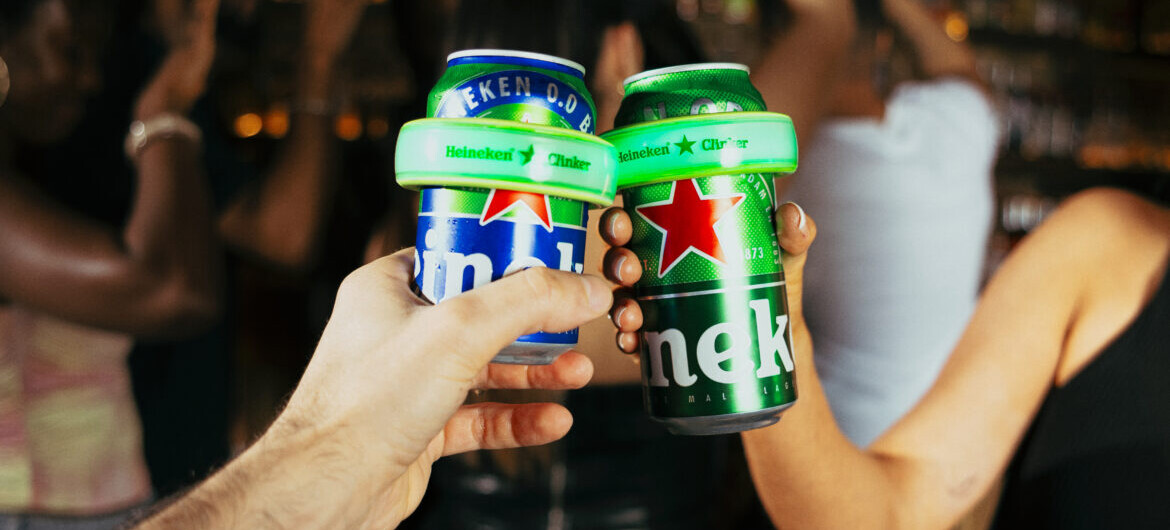
Heineken has reimagined the traditional beer garden by leaning into the core reason people flock to the desert: the music. Their “Clinker” activation, powered by Spotify, acts more like a social experiment than a retail stand. Central to the experience is a smart band designed to wrap around cans and glasses that syncs with your Spotify streaming data. When you “cheers” with a new person, the device detects shared music preferences and signals a connection via a compatibility light. It’s a brilliant example of using technology to eliminate the awkwardness of meeting people in a crowd, turning a simple toast into a lasting digital connection via a web-based app. Syncing digital profiles to see how their listening DNA matches with those around them encourages the festival-goers to compare their musical tastes in real-time. Heineken is facilitating the kind of spontaneous conversations and connections that define the Coachella spirit. It’s a brilliant example of experiential design that uses a product as a catalyst for human connection, turning a simple drink break into a meaningful moment of discovery.
RADIO-CHELLA
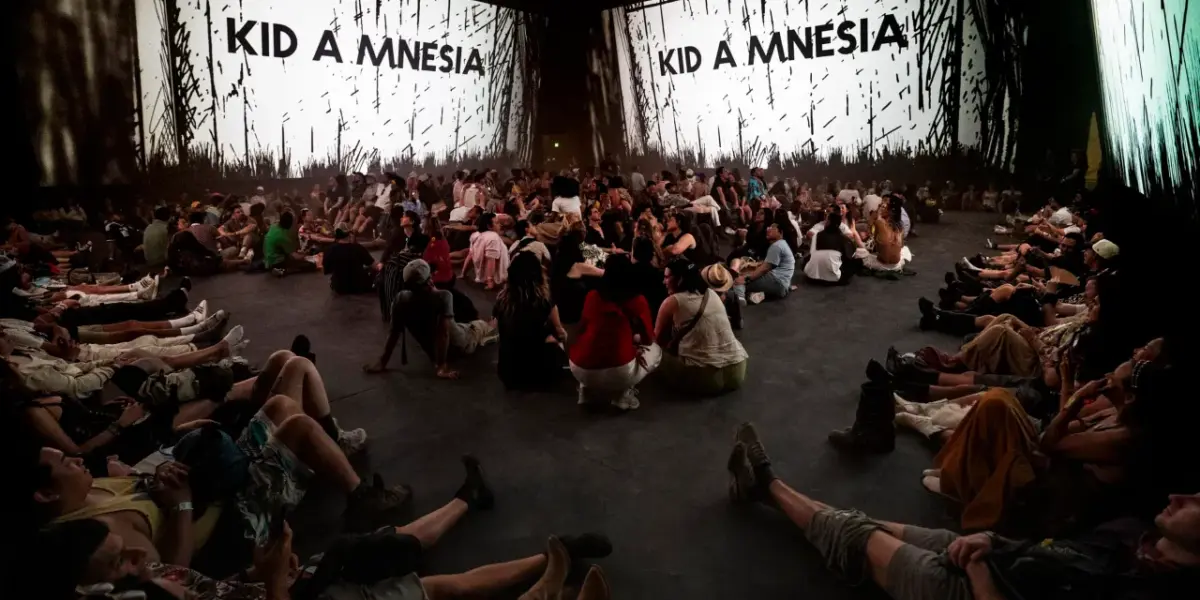
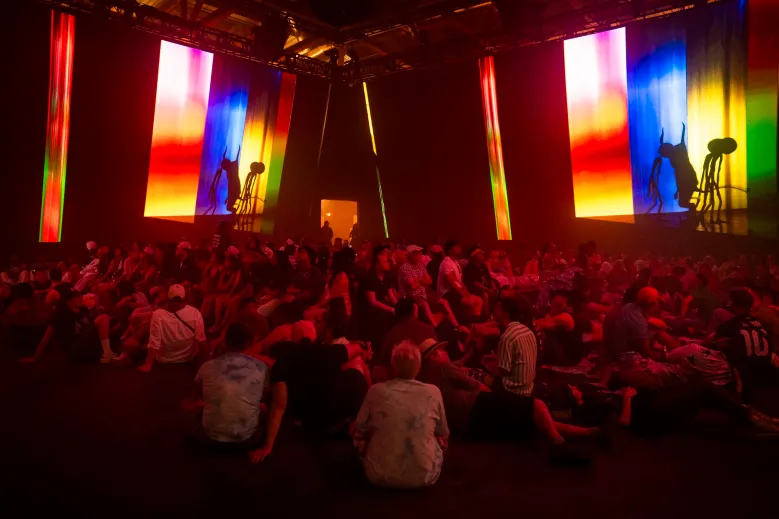
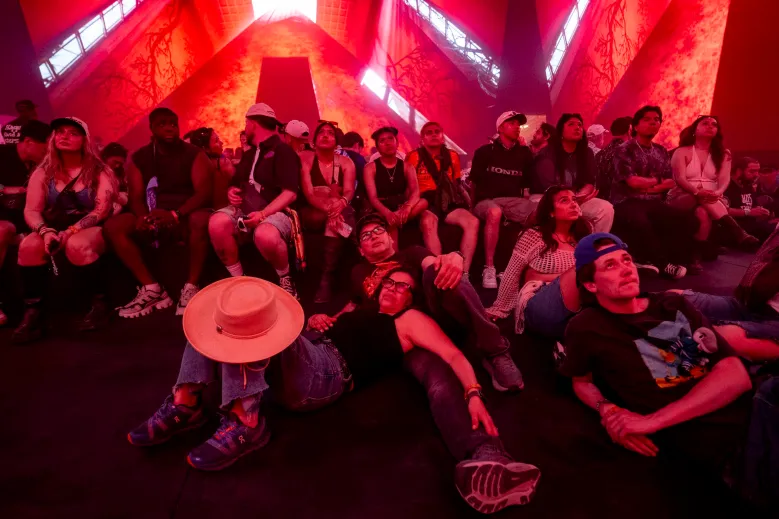
One of the most talked-about installations this year isn’t a brand activation at all, but a high-concept digital exhibition centred around Radiohead’s world-renowned Kid A album. Stepping into this space feels like walking directly into a high-quality, abstract music video. It serves as the perfect chill-out retail concept, a trippy, 30-minute sanctuary for those looking to escape the main stage chaos. Whether you are wandering in late at night or finding a gap in the afternoon heat, the exhibition uses immersive visuals and soundscapes to create a meditative retail-adjacent experience. Most notably, the exhibition was completely free to enter, a significant design choice in an environment like Coachella where nearly every interaction comes with a price tag. By offering a meditative, no-cost entry, the project prioritised mood and atmosphere over aggressive messaging, only gently leading visitors to a bespoke merch stand at the exit. This “experience-first” funnel shows how art can drive retail naturally when the environment is truly immersive.
GAP-CHELLA
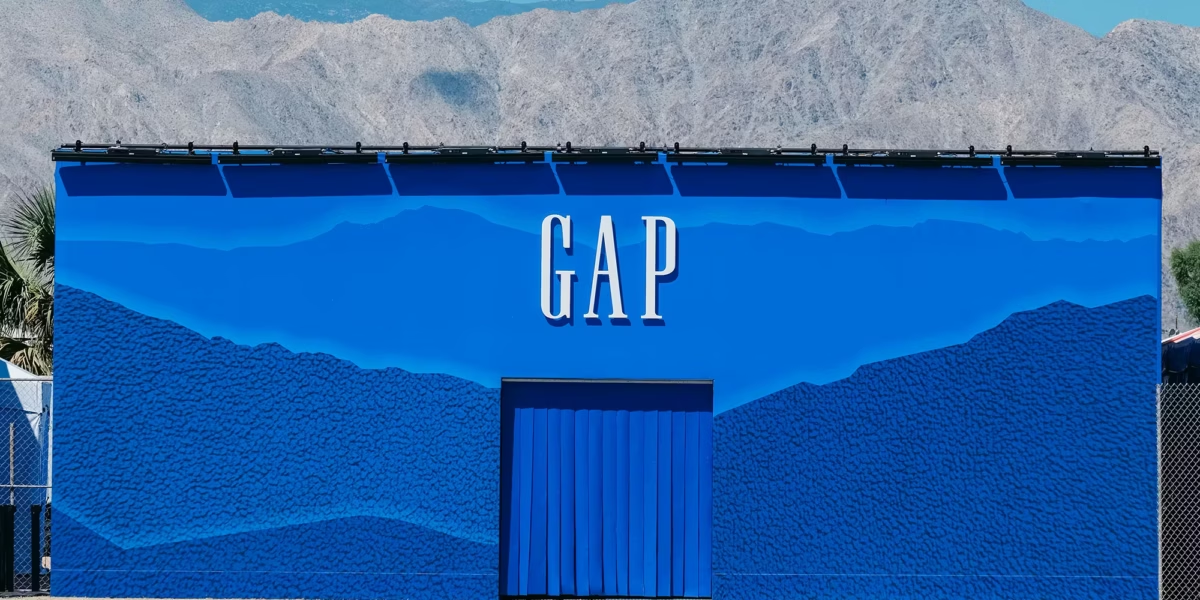
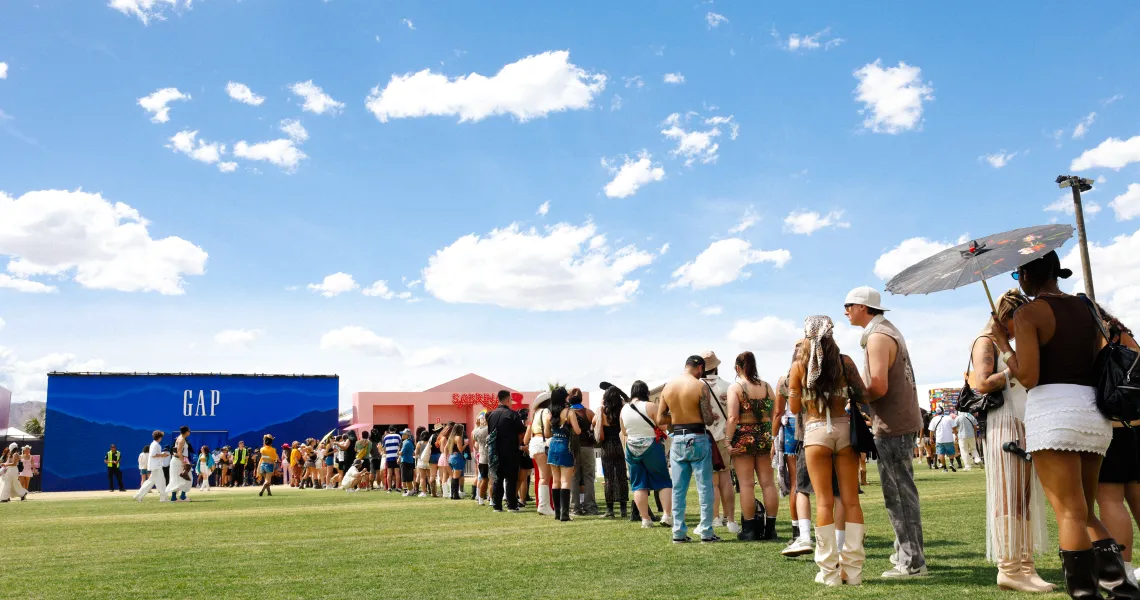
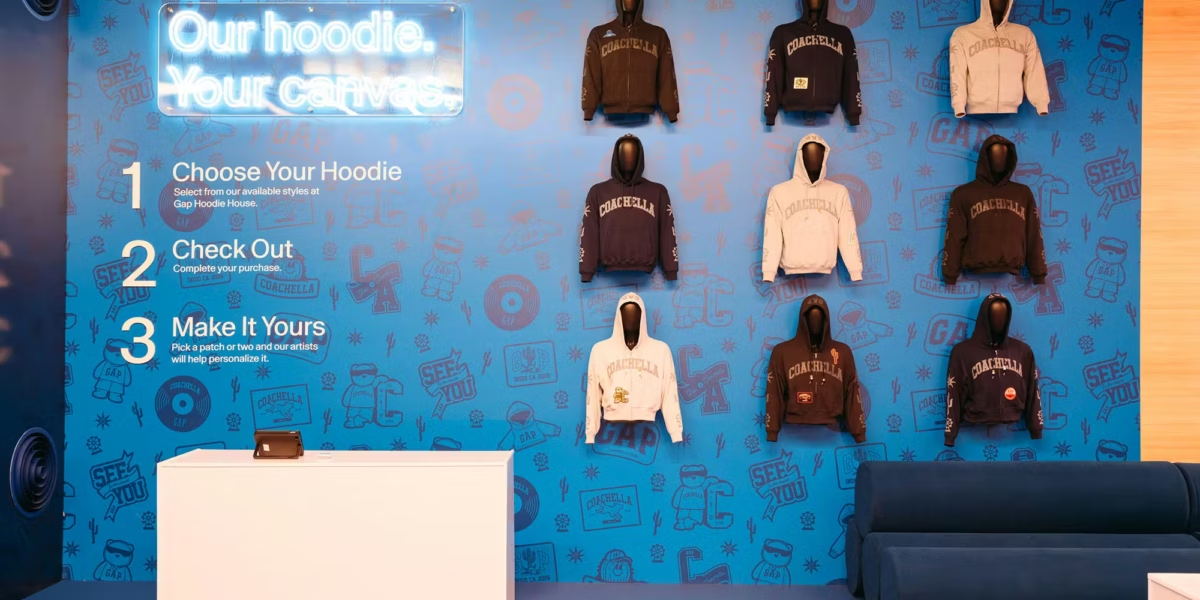
Coachella’s 2026 exclusive apparel sponsor, Gap, has brilliantly reclaimed its status as a cultural staple with this year’s ‘Hoodie House’. This high-spec customisation hub is laser-focused on the next generation of festival-goers, offering an interactive space where the design, all layered textures and tonal blue desert tones, feels as premium as the exclusive merch inside. By allowing Gen Z fans to personalise limited-edition hoodies with daily-drop patches and stamps, Gap has turned a simple garment into a wearable memory. The technical execution here is flawless, showing how a heritage brand can successfully pivot to target a younger audience by making the customer an active participant in the creative process.
818-CHELLA
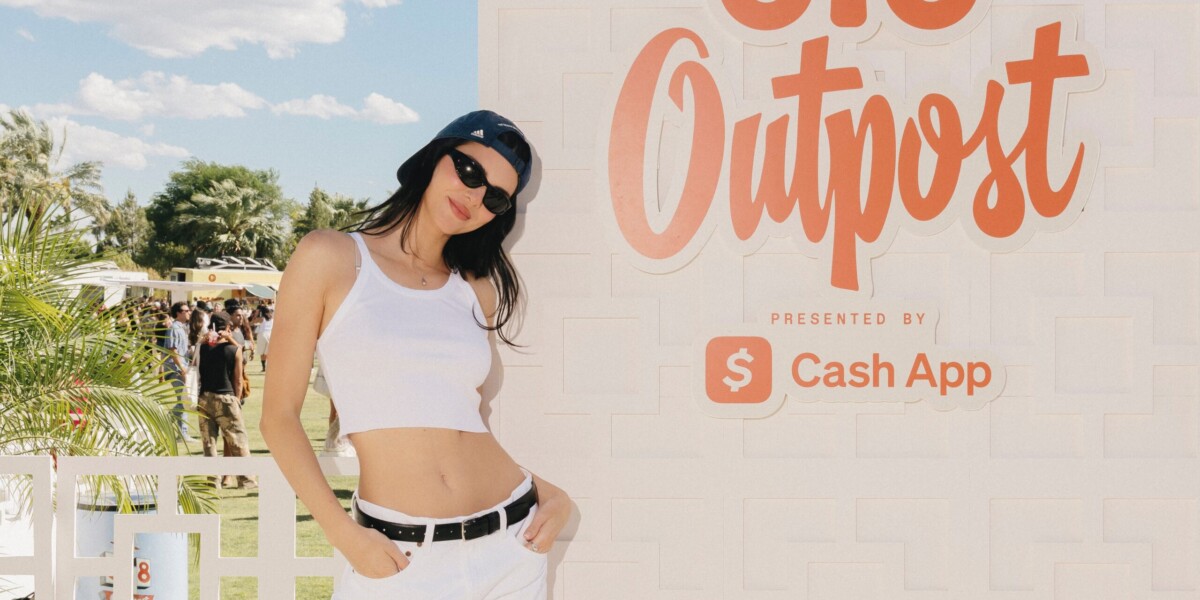
Returning for its fourth consecutive year, Kendall Jenner’s 818 Tequila has evolved from a celebrity pop-up into a permanent-feeling piece of desert architecture. While last year saw a heavy focus on the 818 x Rhode Skin collaboration, 2026 marks a shift toward individual brand dominance. Both 818 and Rhode have stepped out into their own massive, dedicated stands, allowing the 818 Outpost to fully lean into its own minimalist, earthy aesthetic. This solo expansion shows a brand that no longer needs to rely on cross-pollination; instead, it has become a standalone lifestyle anchor and high-traffic hub for merch and cocktails. By hosting exclusive sets from artists like Kaytranada and attracting a constant stream of A-list celebrities, the Outpost has become a standalone lifestyle anchor. It is a masterclass in brand scaling, showing how a space can transition from a joint venture to a solo powerhouse that dictates the visual and social flow of the festival’s VIP landscape.
Pinter-chella
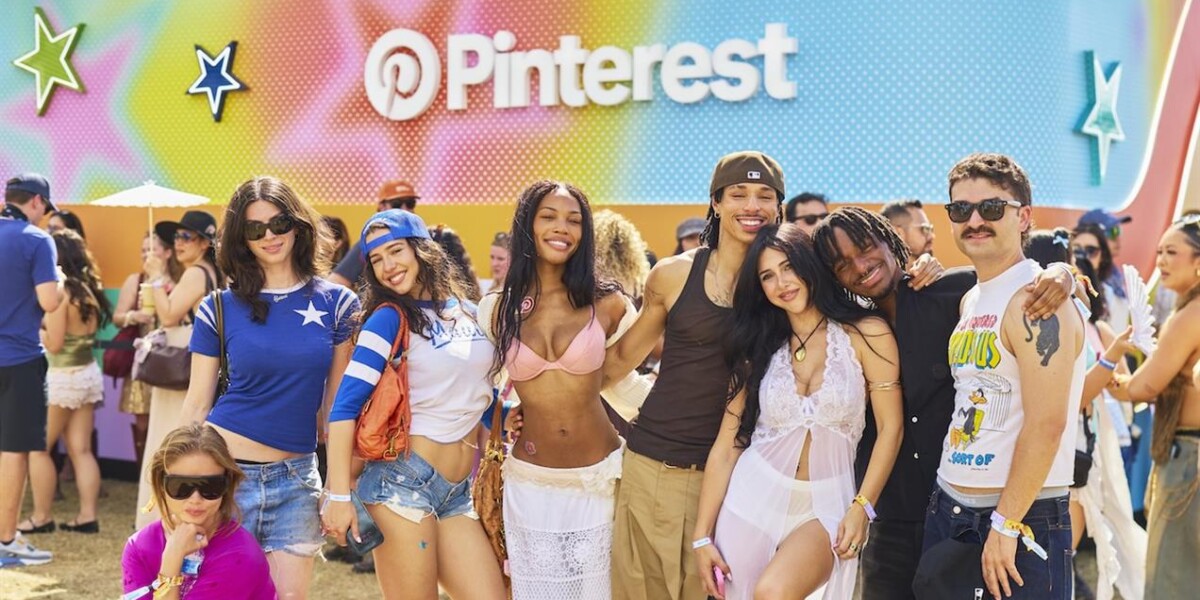
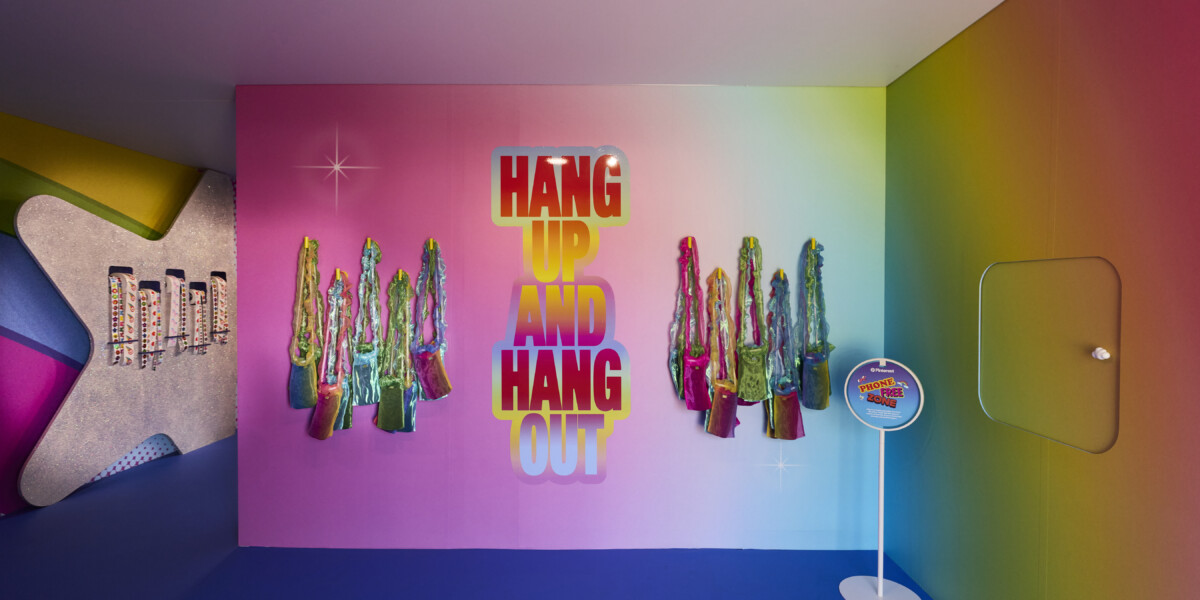
In a sea of people filming every second, Pinterest made waves by doing the unthinkable: asking people to put their phones away. Their phone-free “Manifestation Station” is a tactile masterclass in retail design, inviting guests to engage with physical mood boards and real-world crafting. By creating a space that prioritises presence over the gram, they’ve built a destination that offers genuine utility, a mental reset in a high-stimulation environment. It’s a brave design choice that proves sometimes the most effective way to stand out in a digital world is to provide a beautifully designed, unplugged physical one.
Ultimately, Coachella continues to be a global leader in pushing the boundaries of what retail and stage design can achieve when they work in perfect harmony. At Design4Retail, we work tirelessly to ensure your brands achieve this level of impact, translating these emerging experiential cues into retail environments that truly resonate.
It is these little things, the subtle shifts in lighting, the invitation to play, and the focus on human connection, that we pick up on and implement to ensure your brand doesn’t just show up, but actually makes a difference in the landscape.
Let’s carry on the conversation…