When should you refresh your retail space? 10 Signs it’s time to redesign
Design4Retail breaks down the 10 commercial, experiential and brand-led signs that indicate when a retail environment is due for renewal.


Retail spaces rarely become outdated overnight. More often, they drift. A fixture gets added here, a campaign message is squeezed in there, a new product range arrives, a competitor opens something shinier down the road, and suddenly the store that once felt sharp starts to feel a little… tired.
A retail refresh does not always mean ripping everything out and starting again. Sometimes it is a smarter customer journey. Sometimes it is a more flexible fixture system. Sometimes it is new storytelling, better lighting, clearer zoning or a concept that finally reflects where the brand is heading next. The important thing is knowing when your space has stopped working as hard as it should.
Physical retail is still very much alive, but expectations have changed. PwC’s recent consumer insight work found that 43% of consumers shop in-store weekly, ahead of mobile shopping at 34%, showing that stores remain a central part of the customer journey rather than a nostalgic extra. At the same time, Deloitte describes the store of the future as a more dynamic hub, blending technology, human experience, personalisation and community connection. In other words, the bar is higher now. A store cannot simply exist. It has to perform.
So, how do you know when it is time to refresh your retail space? Here are ten signs your store may be asking, very politely, for a redesign.
10. Your space no longer reflects who your brand is
Brands evolve. Audiences shift. Product lines mature. Campaigns become more sophisticated. But retail spaces are often left behind, quietly representing a version of the brand that no longer exists.
This is one of the clearest signs that a refresh is due. If your current store still speaks to an old positioning, an outdated audience or a previous visual identity, it can create a disconnect before the customer has even picked up a product. A strong retail space should act as a physical expression of the brand; not just in logos and colours, but in tone, pace, materials, layout and the feeling customers get when they walk through the door. D4R’s retail design approach is built around creating spaces that invite interaction, build loyalty and leave a lasting impression, while keeping the brand, creative vision and architectural integrity aligned.
When the brand has moved on but the space has not, customers can feel it. They might not describe it as misaligned brand architecture, obviously. They are more likely to say, “It just feels a bit old”. Annoyingly simple. Usually correct.

9. Competitors are giving customers a better reason to visit
A competitor refresh can be irritating, but it is also useful. It reveals the new standard customers are comparing you against.
Retail does not happen in isolation. Your store sits within a wider landscape of flagship launches, pop-ups, concessions, concept stores, digital touchpoints and social-first brand experiences. If competitors are investing in more immersive, intuitive or visually distinctive environments, customers will naturally recalibrate their expectations. Recent retail commentary has pointed to a wider “renaissance” in physical stores, with fashion and lifestyle brands turning boutiques into cultural spaces, galleries, community hubs and lifestyle destinations rather than simple points of sale.
This does not mean every brand needs a theatrical flagship with a café, a podcast studio and a suspiciously beautiful staircase. It means the store needs a reason to be visited. Whether that reason is service, experience, product discovery, convenience, education or sheer visual magnetism, it has to be clear.

8. Footfall, dwell time or conversion has started to slide
A drop in store performance is not always a design problem, but design is often part of the answer.
If footfall has declined, customers may not be noticing the store, understanding the offer or feeling compelled to enter. If dwell time is low, the journey may not be inviting enough to keep people browsing. If conversion is weak, customers may be entering but failing to find the right products, categories, support or confidence to purchase. McKinsey argues that effective format redesign should be rooted in customer-journey mapping, customer-centric ideation, format strategy and technology enablement. That is useful because it reminds us that redesign is not just decoration. It is diagnosis.
A beautiful space that does not convert is a mood board with rent. A successful retail refresh should look at how people actually move, browse, hesitate, compare and buy. The clever bit is not simply making the store prettier. It is making the customer journey feel effortless while secretly doing a lot of commercial heavy lifting.
7. The store was designed for a different product range
Retail spaces can age quickly when the offer changes. A layout that once worked perfectly for one category mix may struggle when new ranges, new price points, new hero products or new services are introduced.
This is especially common for growing brands. The store starts with a clean, simple offer, then the business expands. More SKUs arrive. Categories multiply. Seasonal campaigns need space. Digital services are added. Suddenly, the original store format is being asked to perform a job it was never designed to do. The result is often cluttered displays, confusing hierarchy and products that compete for attention rather than supporting each other.
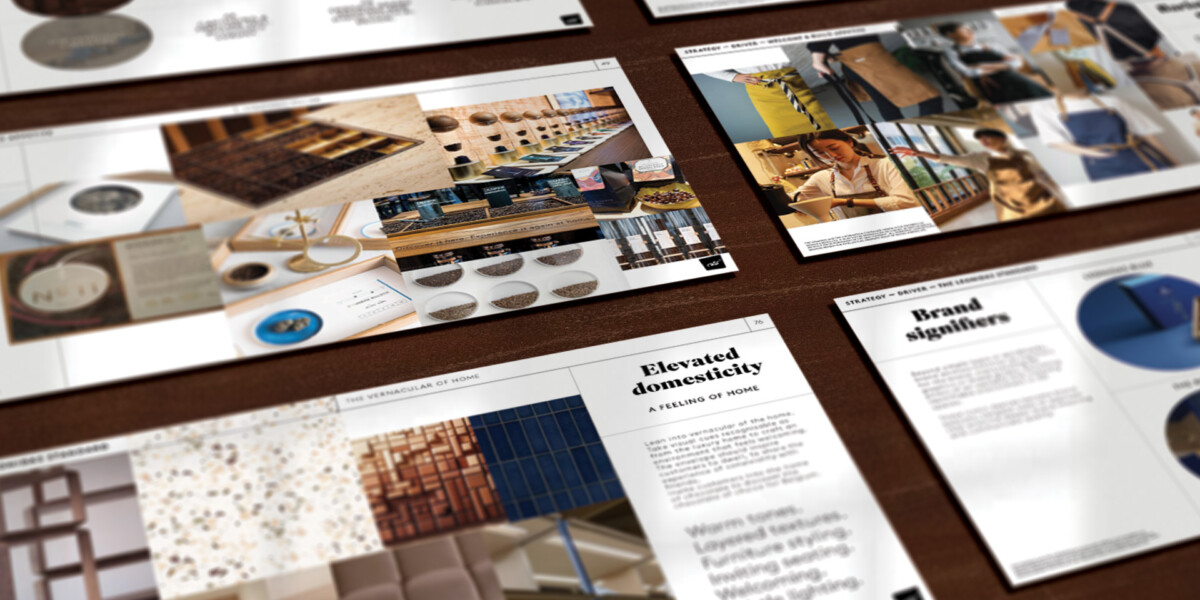
A refresh can restore order. It can create clearer zoning, stronger product storytelling, better stock density and more purposeful merchandising. For example, D4R’s work with Leonidas focused on developing a strategic, scalable store design concept to support the chocolatier’s growth ambitions, inviting customers to explore, discover and enjoy the product range in a more considered way. That is the point of good retail design: it gives growth somewhere to go.

6. Customers are telling you the journey is confusing
Customer complaints about navigation, product location or store experience are rarely just “operational noise”. They are clues.
If people are asking where things are, missing key categories, walking past hero products or abandoning the journey halfway through, the environment may not be doing enough silent communication. Good retail spaces guide without shouting. They use sightlines, signage, lighting, fixture height, material changes and product hierarchy to help customers understand what to do next. Retail wayfinding guidance commonly highlights the importance of visibility, legibility and accessibility in helping shoppers move through commercial environments.
In short, if your customers need a treasure map, the store is probably not working hard enough. A redesign can turn confusion into confidence by making the journey more intuitive, more accessible and more enjoyable.

5. Your fixtures, finishes or lighting are starting to show their age
Sometimes the problem is not strategic. Sometimes the laminate is chipped, the light is unflattering and the fixture has seen things.
Materials matter because they quietly tell customers what level of value, care and quality to expect. Worn finishes, dated lighting, tired graphics or damaged displays can make even a strong product feel less desirable. This is particularly important for premium, beauty, fashion, technology and lifestyle brands, where the environment plays a major role in perceived value.
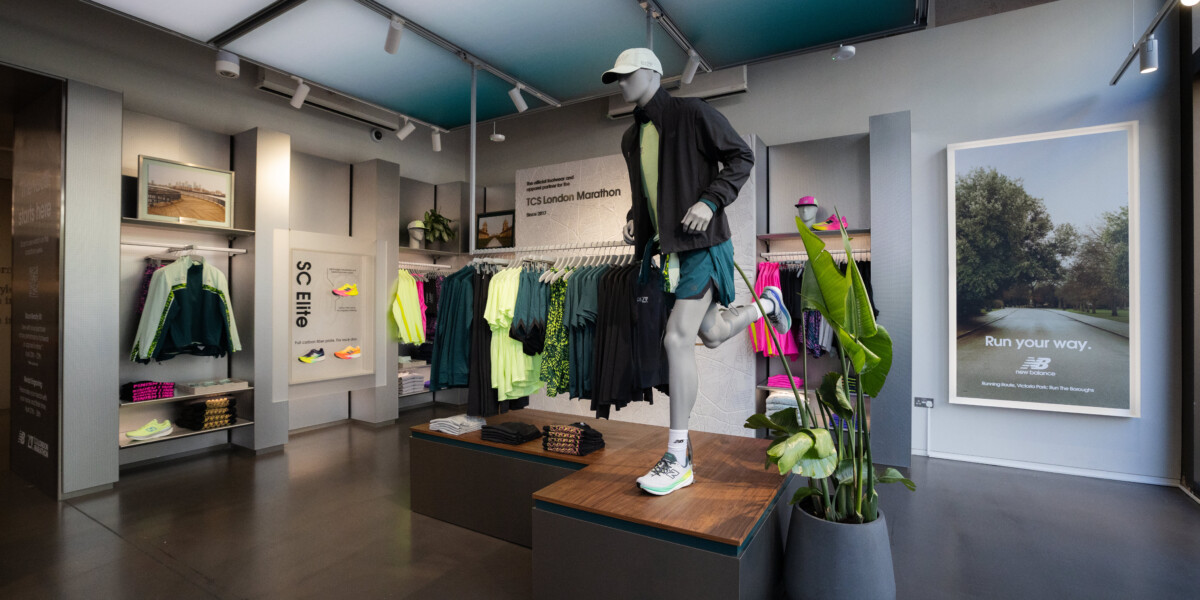
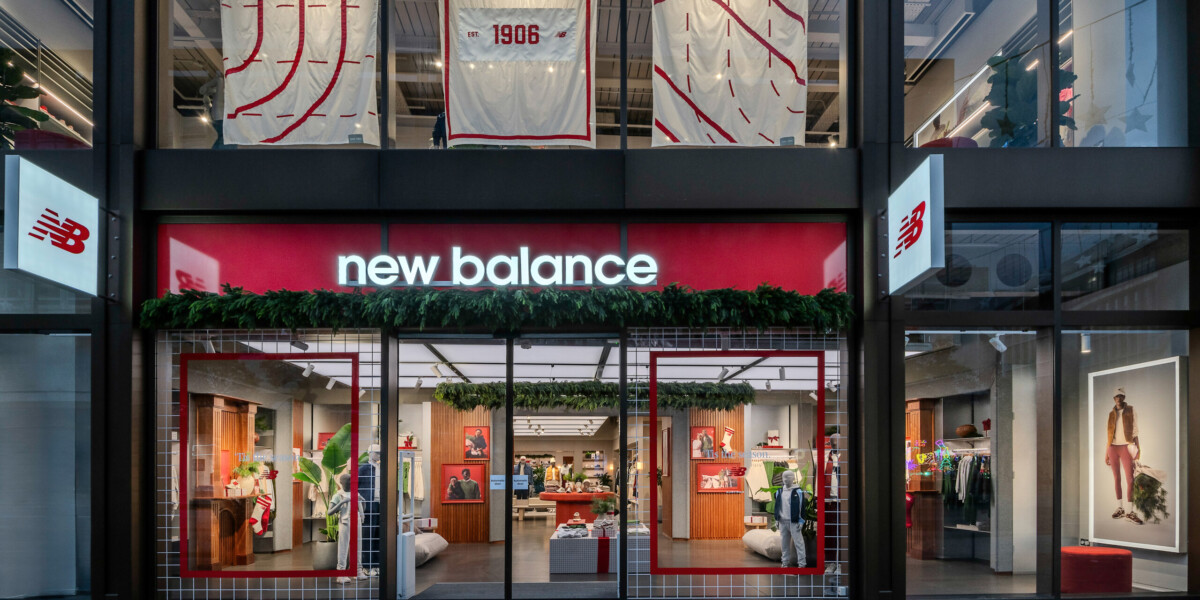
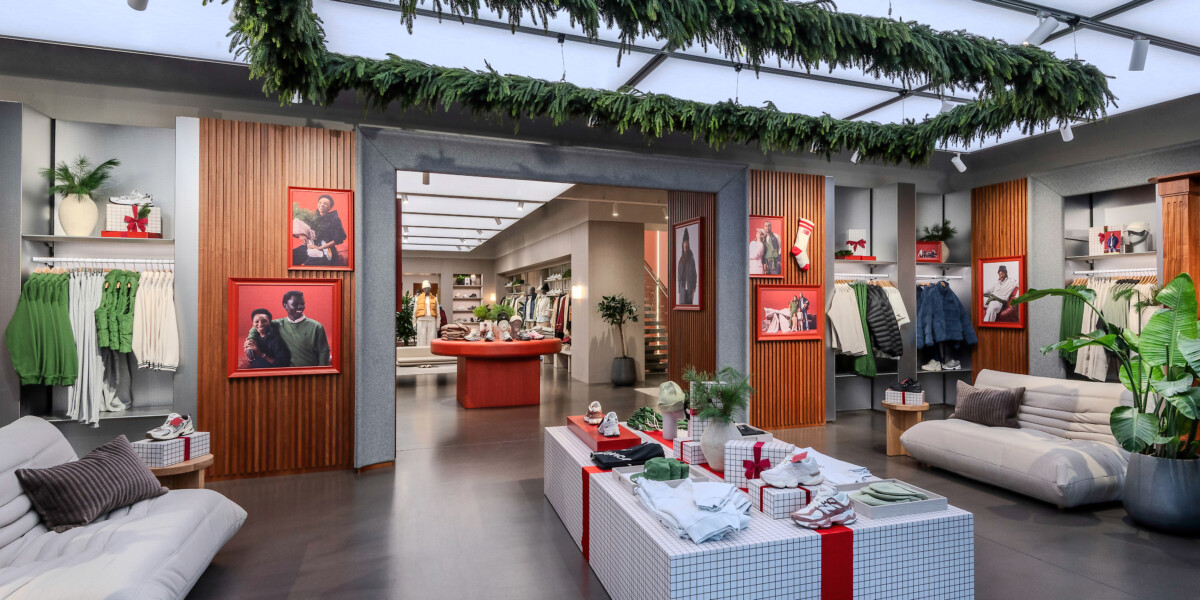
A refresh does not always require a complete rebuild. Updating lighting, graphics, hero displays, feature walls, materials or campaign zones can make a significant difference. Our New Balance Oxford Street holiday refresh is a good example of a temporary store refresh created for a crucial trading period, using custom details, festive storytelling and added-value customer moments such as gift wrapping and hot chocolate to enhance the in-store experience. Sometimes the right refresh gives the store a second wind without pretending it is a brand-new building.
4. Your store does not support omnichannel behaviour
Customers do not think in channels. They think in tasks. Browse online, visit store, check stock, try on, scan a QR code, order later, collect, return, repeat.
If the physical space does not support this behaviour, it can quickly feel outdated. Modern stores need to work alongside digital platforms, not sit awkwardly beside them. That might mean better click-and-collect integration, more digital product education, clearer service points, QR-led storytelling, live inventory support, appointment areas or spaces designed for content capture. PwC notes that retail is transforming across channels, loyalty, trust, digital platforms and customer engagement, with retailers needing to reimagine far more than just the shop floor.
D4R’s Korea Town concept is a useful example here. The debut store at The Gate Mall in Kuwait was described as having omnichannel readiness, cultural resonance and operational efficiency, giving the brand a foundation for wider growth across the GCC region. A future-facing retail concept should not just look good on opening day. It should be ready for the way people actually shop.
3. The space is no longer flexible enough
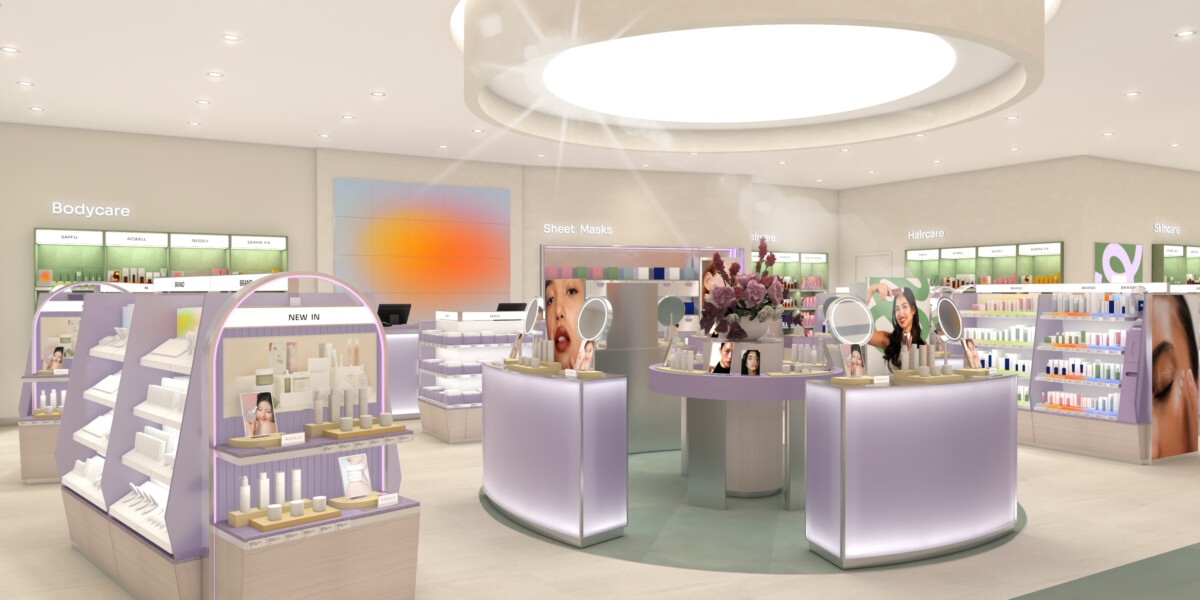
Rigid retail spaces are expensive spaces. If every campaign change requires a heroic amount of effort, every new product launch causes disruption, or every local market adaptation needs a bespoke workaround, the store format may not be flexible enough.
Agility is one of the biggest arguments for redesign. McKinsey’s thinking on the “ever-changing store” highlights the importance of agile, customer-centric format redesign that allows retailers to respond to shifts in consumer needs and behaviours. That flexibility can show up in modular fixtures, adaptable campaign zones, scalable graphic systems, reconfigurable merchandising or concepts that can flex across different footprints.
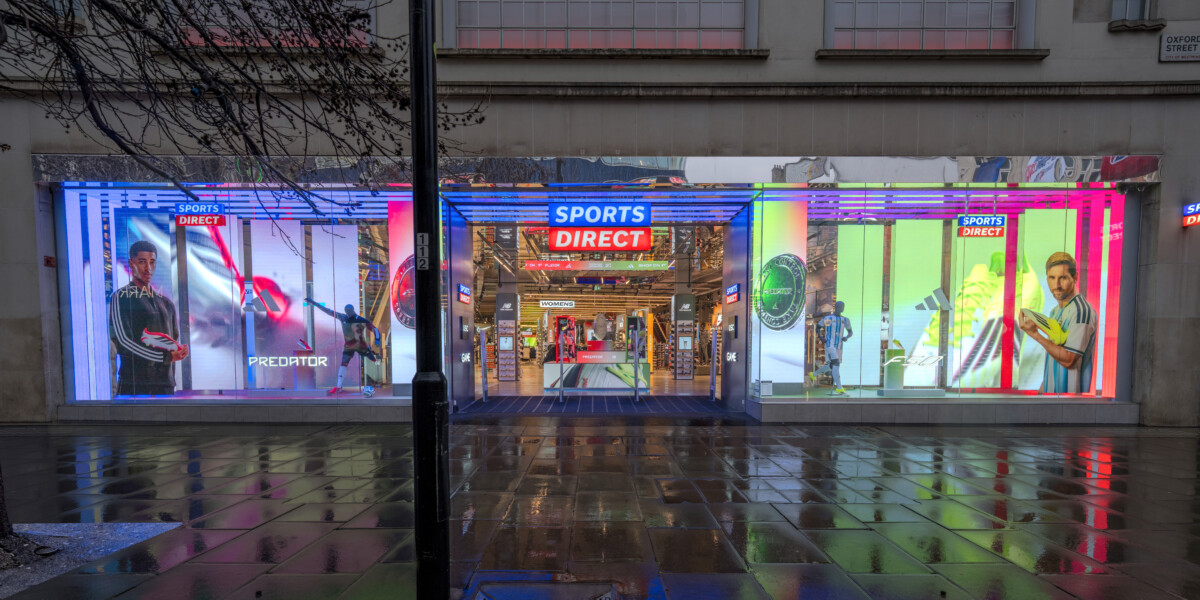
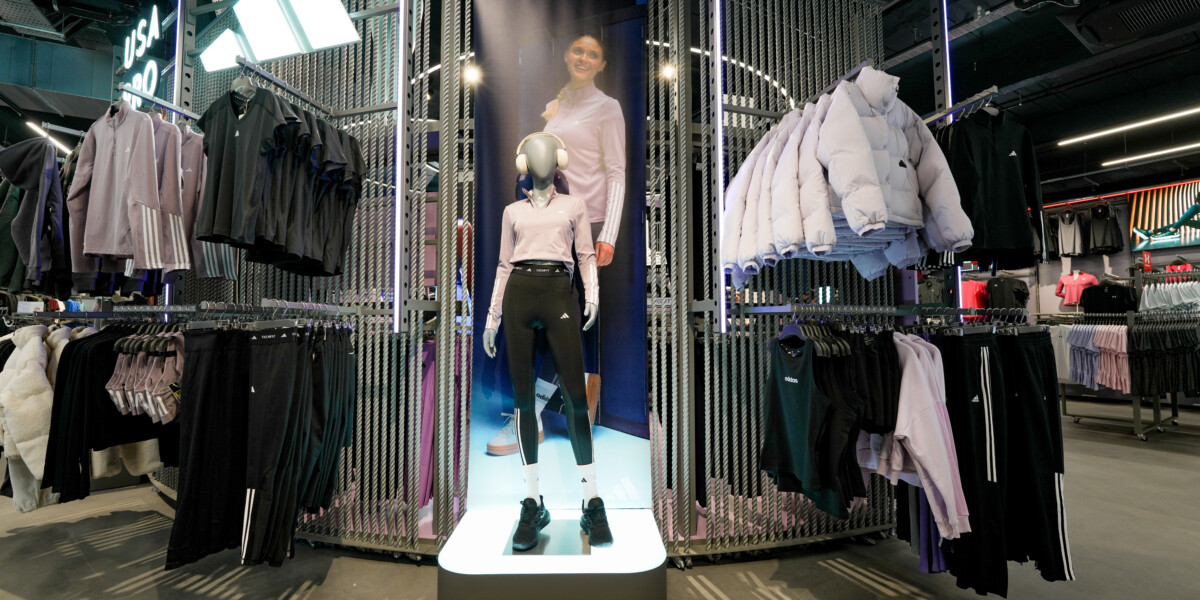
D4R’s work with adidas x Sports Direct centred on a complete overhaul of adidas’s branded retail spaces, moving beyond the lifecycle of the previous concept to create a new, future-proof wholesale environment. This is exactly where redesign becomes commercially strategic. It is not just about fixing today’s problem. It is about giving tomorrow fewer problems to make dramatically expensive.

2. You are opening new locations and the current format will not scale
A single store can survive on charm, compromise and a few heroic team members. A rollout cannot.
If you are preparing to expand, your retail format needs to be consistent, repeatable and adaptable. That means the concept must work across different unit sizes, landlord requirements, markets, budgets and customer behaviours, while still feeling recognisably like the brand. A scalable design system protects brand identity while giving teams the tools to execute efficiently.
This is where concept store design and global retail toolkits become invaluable. D4R’s Leonidas project was built around future-proofing and scalability, helping the brand develop a store concept that could support growth ambitions. Similarly, D4R’s wider retail design services span everything from concept stores to high-impact window displays, underpinned by retail strategy, creative brand experience and over twenty years of working with major brands. If expansion is on the horizon, redesigning before rollout is usually far more sensible than retrofitting a thousand tiny fixes later.

1. The store is no longer giving people a feeling
This is the big one. The most dangerous retail spaces are not always the ugly ones. They are the forgettable ones.
A store can be neat, clean, operational and still fail to create any emotional connection. In a market where customers can buy almost anything online, physical retail has to offer something more memorable: a feeling of discovery, belonging, expertise, excitement, reassurance or delight. Deloitte describes future stores as spaces that blend human experience, technology, community and convenience, reinforcing that the role of the store is becoming broader than transaction alone.
Design is how that feeling becomes physical. It is the difference between a product on a shelf and a brand world customers want to spend time in. It is why lighting, materiality, layout, service, storytelling, sound, pace and detail all matter. The best retail spaces do not simply show customers what is for sale. They show customers why it matters.
So, when should you refresh your retail space? When it stops reflecting the brand. When customers stop understanding the journey. When performance softens. When competitors move on. When the format no longer scales. Or, most simply, when the space no longer makes people feel anything.
Because retail is not standing still. Your store should not either.

Whether you need a light-touch refresh, a scalable store concept, a campaign-led activation or a complete retail redesign, Design4Retail helps brands create physical spaces that work harder, feel sharper and connect more meaningfully with customers.
Explore our Retail Design Services or Concept Store Design pages to see how we turn brand ambition into retail environments built for the real world.
Let’s carry on the conversation…