A primary driver for the rehumanisation of culture is the growing consumer backlash against what has been termed AI slop. This refers to the influx of low-quality, generative AI content that has begun to saturate digital platforms. In the advent of the synthocene, the novelty of machine-generated imagery has rapidly degraded into a sense of fatigue.
Consumers are increasingly discerning, viewing these frictionless, “too-smooth” outputs not as a feat of technology, but as a symptom of corporate laziness and a lack of soul. There’s also an intrinsic human fear of AI output, an expected and naturally adverse reaction from many within the audience.
The Christmas season, traditionally a peak period for high-craft, emotional storytelling in British and European advertising, became a flashpoint of anti-AI sentiment. Major brands attempted to leverage AI to cut production costs and timelines, but the results were almost universally derided.
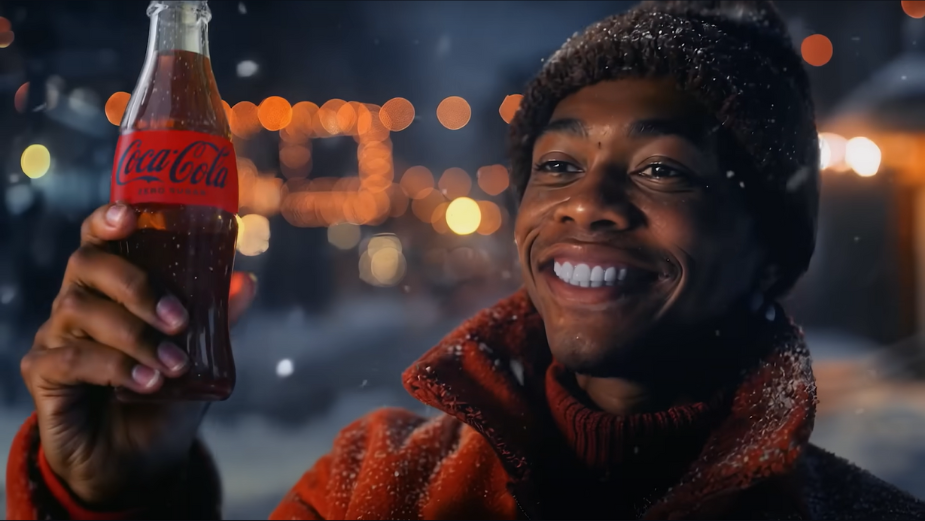
In 2025, Coca-Cola attempted to leverage AI to “evolve” its classic Christmas ads, replacing human actors with generative animals. The result was a PR failure. Critics labelled the campaign “plastic” and “creative bankruptcy,” arguing that the glossy, uncanny visuals fundamentally undermined the brand’s “Real Magic” ethos. Despite executive insistence that the “genie is out of the bottle,” the public largely viewed the campaign as a cold, automated simulation of nostalgia.
The backlash against McDonald’s Netherlands was even more severe. Their holiday spot, It’s the Most Terrible Time of the Year, was pulled days after release following universal mockery. Viewers found the AI-generated imagery “creepy” and “soulless,” noting that the distorted, stitched-together clips lacked any genuine human warmth. It served as a stark lesson: attempting to replace human craft with machine-generated “slop” often results in an experience that is unsettling rather than relatable.