The death of cringe
This report investigates the cultural shift marking the death of ‘cringe culture,’ where individuality and self-expression replace fear of judgement. Being “weird” is no longer something to hide, but something to embrace.

THE NEED FOR INDIVIDUALITY
Spaces for the niche.
The cultural landscape of 2026 is characterised by the quiet collapse of cringe culture and the subsequent emergence of an unrestrained era of expression. What was once policed by irony and self-conciousness is rapidly dissolving, making way for a renewed appetite for experimentation and originality. In a world oversaturated with algorithm induced sameness, unapologetically standing out has become the new cultural currency.
At D4R we’re noticing a shift away from conformity-driven aesthetics, as the pressure to avoid “cringe” loses its’ hold, individuals and brands alike are reclaiming the right to be distinctive and quirky, giving into niches and consequently gaining a more cult-like following. This movement signals a broader rejection of performative detachment in favour of emotional transparency. It’s less about fitting in and more about showing up unashamedly.
This blog explores the cultural forces driving this transition, examining how fatigue of meme cycles and digital uniformity has sparked a return to authenticity.
VINYL DELIVERY SERVICE, TOKYO
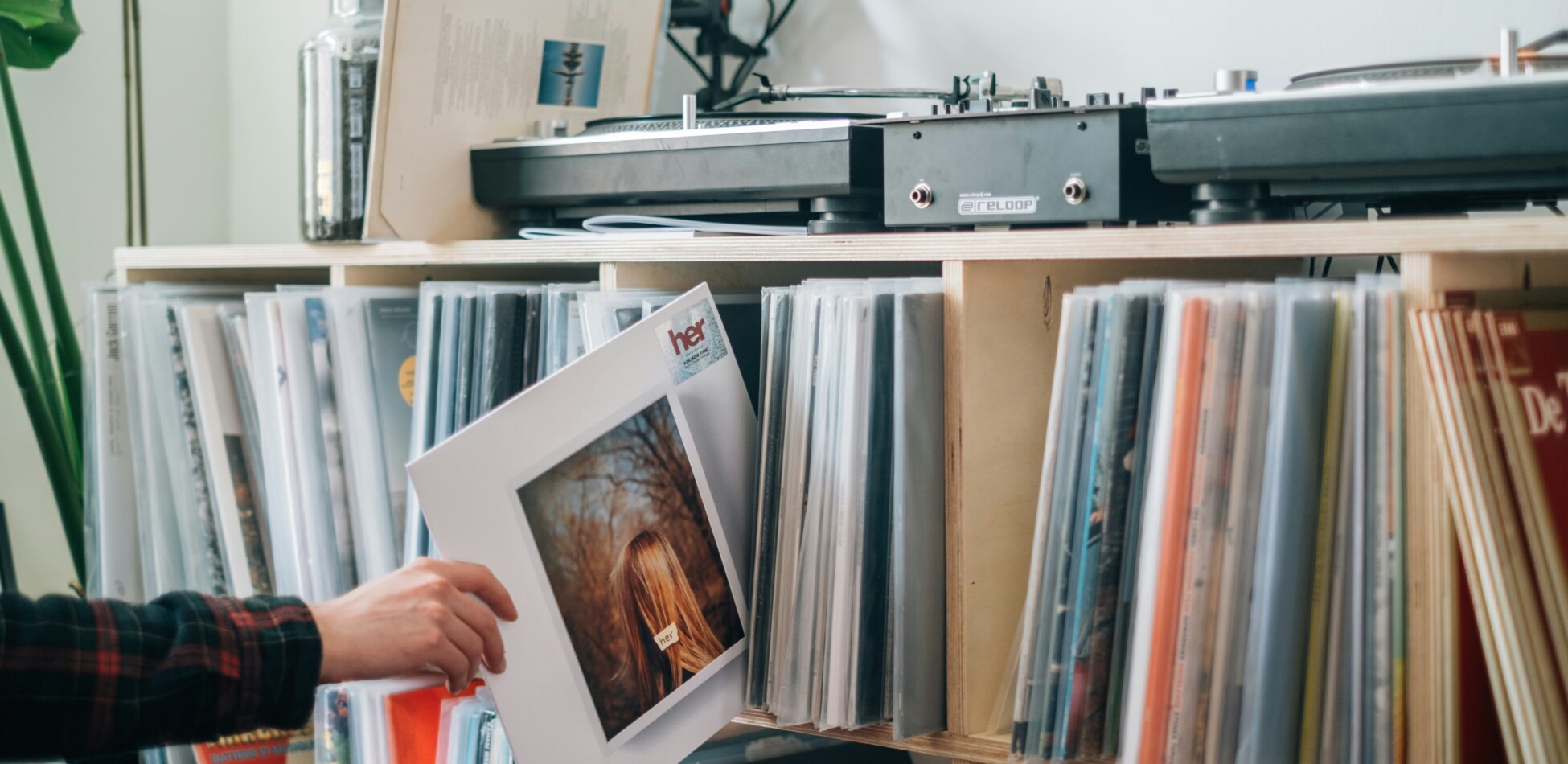
Tokyo’s Vinyl Delivery Service (VDS) is designed for community, bringing music lovers together through a curated selection of records in a space designed to foster connection. Rooted in the Skwat Kameari Art Centre (SKAC) in east Tokyo, VDS reimagines the traditional stuffy Japanese record shop as a large, open space dedicated to vinyl and its fans where music, art, design and local culture intersect.
At its core, VDS is about connection, not just between people, but between listeners and the music itself. Moving away from the gatekeeping second-handrespected often associated with collector culture, they translate their deep, insider knowledge into an inviting, inclusive experience. The warehouse setting reflects this ethos: a generous, flexible space dedicated to sound, where exhibitions and pop-ups unfold as extensions of an ongoing conversation about music and community.
The same intensity of focus carries through into the projects’ environmental approach. Their commitment to second hand records is rooted in the belief that vinyl’s lifecycle should be extended and . By exploring circular production methods and new ways of preserving audio heritage. VDS blends sustainability with audiophile culture, positioning itslef as an evolving expression of what it means to truly care about music.

Trainer Court, New York City
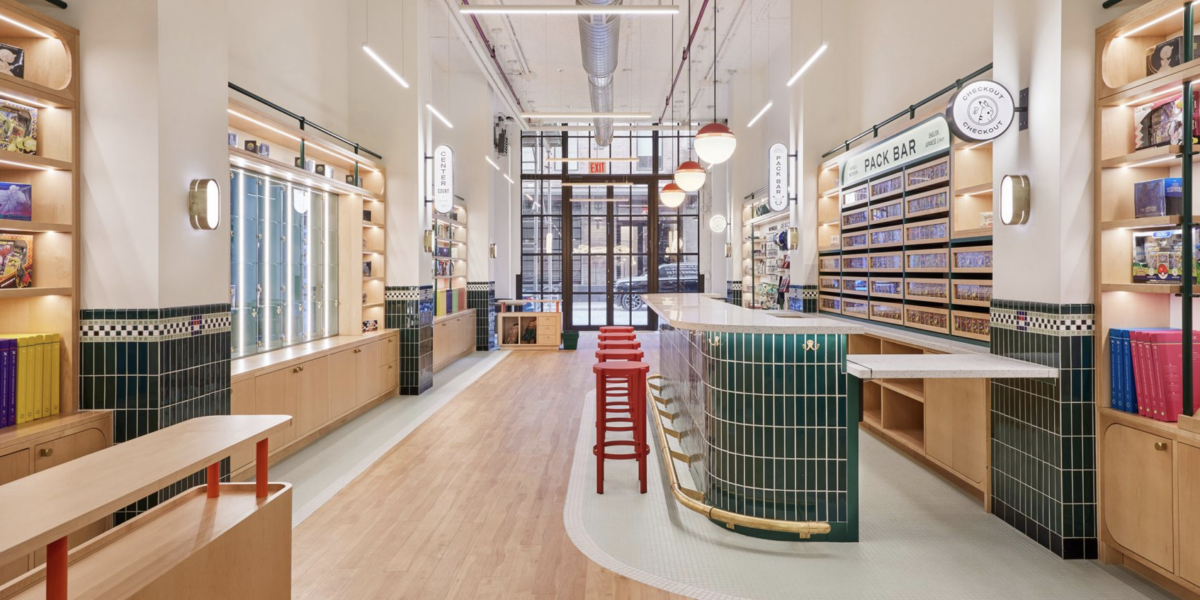
The Trainer Court in NYC reflects the ongoing demise of cringe culture, reframing what was once seen as niche or childish (like trading cards and Pokémon) into a confident, design-led retail experience. The New York flagship rejects the dim atmosphere of traditional card shops in favour of an open, highly curated space that invites both dedicated collectors and newcomers alike.
At its centre is the “Pack Bar,” transforming transactions into more social interactions where customers gather, open decks, and connect, blurring the lines between retail and community space. Through warm materials, layered sports references, refined craftsmanship, and an emphasis on play, the store positions fandom as something to be shared and celebrated, not to be hidden away. It represents the sense of a wider shift in retail toward experiential environments that embrace enthusiasm rather than hide it.
Auyeung & Gao Gampworks
“We designed a Pack Bar that transforms the store into more than a transactional space – it’s a place to hang out, engage with staff, and meet fellow Pokémon fans.”
MoMA, Design Store, Fukuoka, Japan
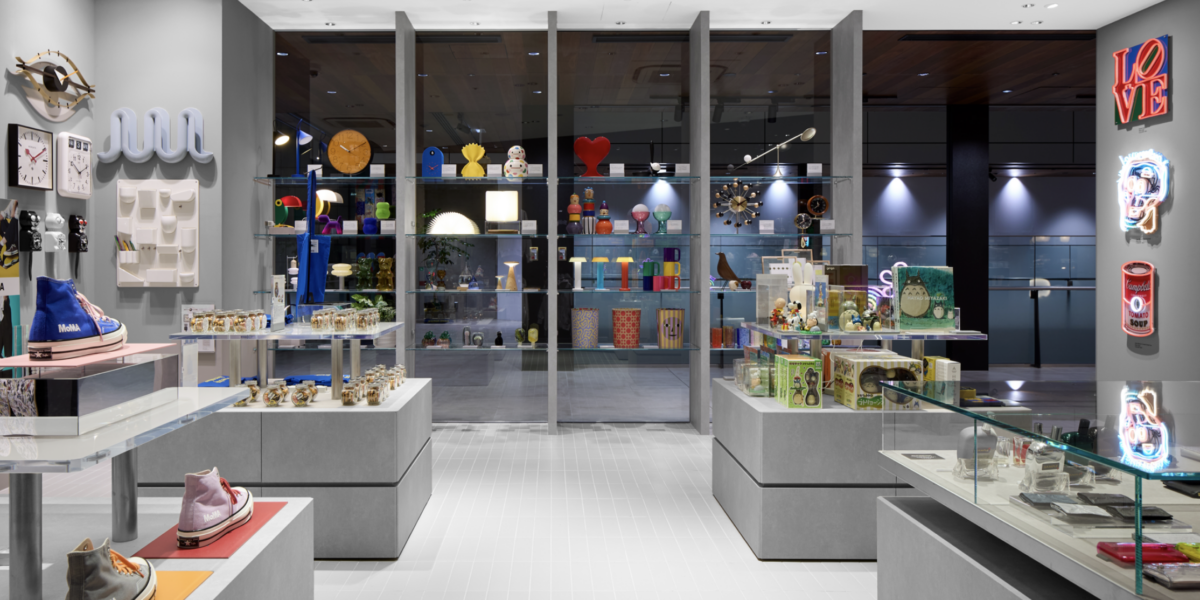
The MoMa Design Store in Fukoka, alongside the wider evolution of museum gift shops, repositions retail as a curated cultural experience over a one stop transaction. Rooted in the Japanese concept of Ma, the Fukuoka store uses material contrast and composed sightlines to create a sense of pause and flow, elevating merchandising into a considered design language.
Rather than overwhelming the visitor, the interior’s palette of cedar, tile and graphic zoning allows products to sit within a gallery-like context, positioning them as design artefacts rather than simple commodities. This approach reflects a broader shift in museum retail, where the shop is no longer passive but embedded within the cultural narrative of the institution.
Historically, however, museum gift shops have often been associated with mass-produced souvenirs, novelty items that dilute the meaning of high culture into kitsch takeaways. They existed as obligatory exit points, where commerce sat awkwardly alongside cultural value, often undermining the perceived seriousness of the museum experience.
What we’re now seeing is a reversal of that stigma. Through careful curation, design-led environments and a willingness to embrace personality, museum retail is being recontextualised as a legitimate extension of cultural consumption. In the context of the “death of cringe,” even the humour, irony or oddity of certain products becomes part of the appeal, inviting visitors to engage with culture in a more personal, expressive way.
Francis Bourgeois
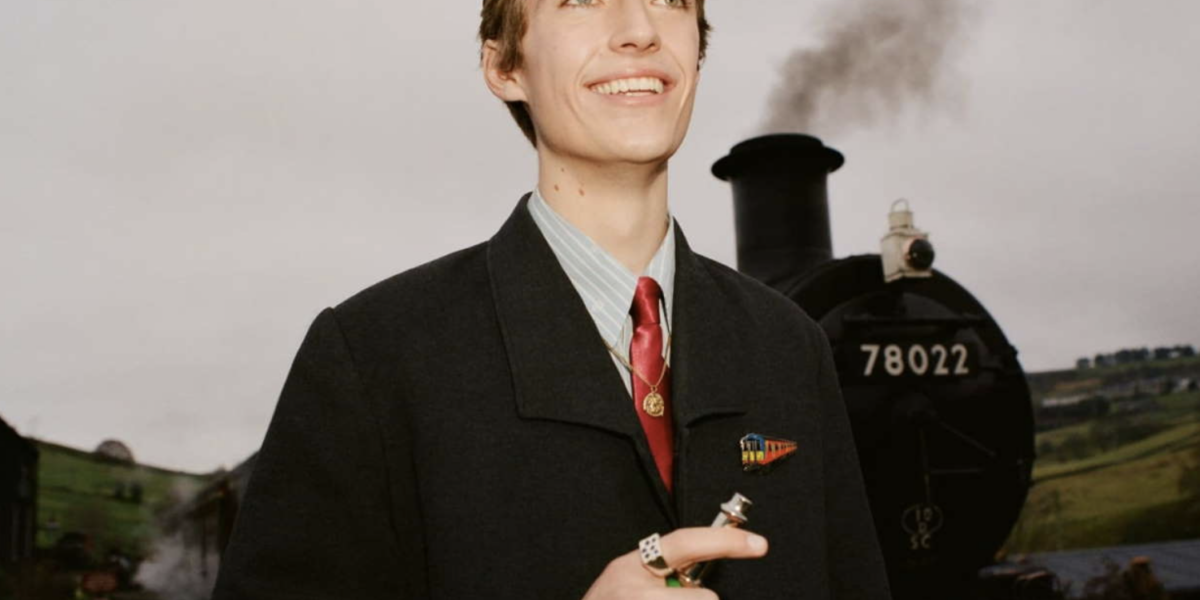
As audiences reject traditional negative notions of cringe and begin to celebrate it, few figures embody this shift more clearly than Francis Bourgeois. Known to millions for his unapologetic passion for trains, Bourgeois represents a decisive break from the era of detachment and performative “coolness.” Instead, he has built a global following by doing something once considered socially risky: showing you care about something deeply, visibly, and unashamedly.
What makes his rise significant is not just the niche interest, but the way he engages with it. His videos, captured through a distorted fisheye lens as he reacts with childlike excitement to passing engines, feel incredibly sincere in a digital landscape often edited for perfection and perception. His joy isn’t staged; it’s visceral and entirely his own. As confirmed by him in his interviews, this persona is not an act but a genuine extension of who he is.
Today, that same authenticity is what cultivates his viral appeal. At a time when audiences are tired of curated personas and algorithm-friendly identities, Bourgeois offers something rare: joy without agenda. His content doesn’t try to be lifestyle aspiration and status; it simply shares a passion. This sincerity has resonated on a massive scale, transforming his once hidden hobby into something admirable and culturally valuable.

Crucially, Bourgeois has extended this impact from entertainment into influence. He’s spoken openly about wanting to encourage young people to embrace their interests, no matter how unconventional, emphasising that “you’re cool, because you do something that no-one else is doing.” In doing so, he helps reframe difference as a strength over a liability, positioning individuality as the new marker of relevance.
His trajectory also highlights how authenticity can translate into opportunity. What began as deeply personal content has positioned Bourgeois at the intersection of fashion and media. Along with appearing as one of three hosts on ‘Top Gear,’ he has been embraced by the fashion industry, collabing with brands such as Gucci, Paul Smith, and The North Face, and appearing in campaigns that celebrate, not dilute, his identity. In this context, cringe is no longer countercultural but aspirational and valuable. Bourgeois hasn’t adapted himself to fit the fashion world; instead, the fashion industry has adapted to him. His journey demonstrates that individuality commands attention at the highest levels of culture.
Bourgeois operates as a cultural signal of what exists beyond cringe. He represents a generation stepping over judgement and embracing self-expression and individuality; where enthusiam isn’t something to be hidden, but to be leaned into. His success is a turning point in a digital landscape that places high value in filters and editing, encouraging all generations to be unapologetically yourself.

concluding thoughts
Designing for a post-cringe means embracing expression rather than pushing it down. Where retail once aimed for neutrality and mass appeal, today’s spaces succeed by permitting people to be enthusiastic, and maybe even a little excessive.
At its core, the death of cringe reflects a broader cultural movement towards authenticity and vulnerability. Design responds by rejecting judgement and detachment in favour of sincerity, using storytelling and community as a core focus. Whether through immersive storytelling or personalisable elements, the most effective spaces signal that they are built for people to project themselves onto. This change in thinking as created a new kind of retail environment where identity and community are actively celebrated.