Flagship Stores vs Pop-Up Shops
Big Commitment or Big Moment? We unpack both in this blog.

From permanent brand destinations to temporary retail experiences, explore how different store formats help brands connect with customers and achieve commercial success.
Physical retail is far from dead—it’s evolving. Even as ecommerce continues to grow, 75% of shoppers say online shopping lacks excitement (Source: Scayle Retail Trends Report 2026), proving that brands still need real-world spaces to capture attention and build connection.
The days of opening a store just for retail’s sake are over. Brands are becoming more selective about the physical spaces they invest in, weighing every location and format against a clear strategic purpose.
Building a Retail Destination
A flagship isn’t just a store — it’s a statement, a long-term retail investment that brings brands to life beyond its products. Set within a city’s most visible address, it becomes a destination in its own right: interactive displays, curated events, and moments designed to be remembered. Every detail — architecture, layout, materiality, service — is choreographed to tell a single, coherent story. Whether entering a new city, expanding into international markets or elevating brand perception, a flagship store becomes the ultimate expression of what a brand stands for.

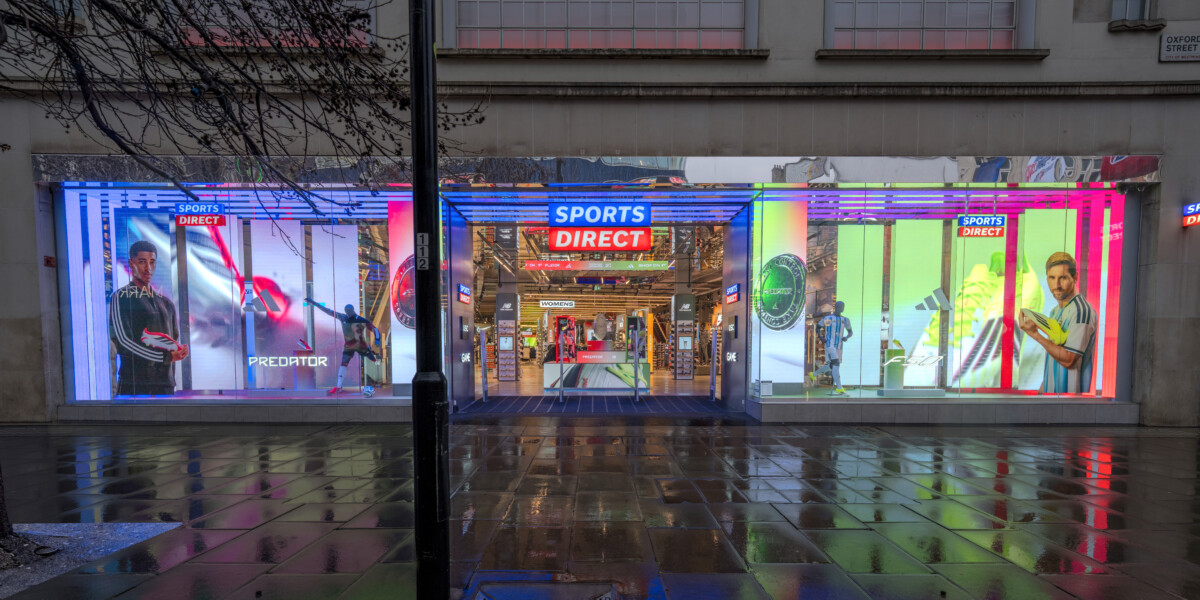
Sports Direct Liverpool
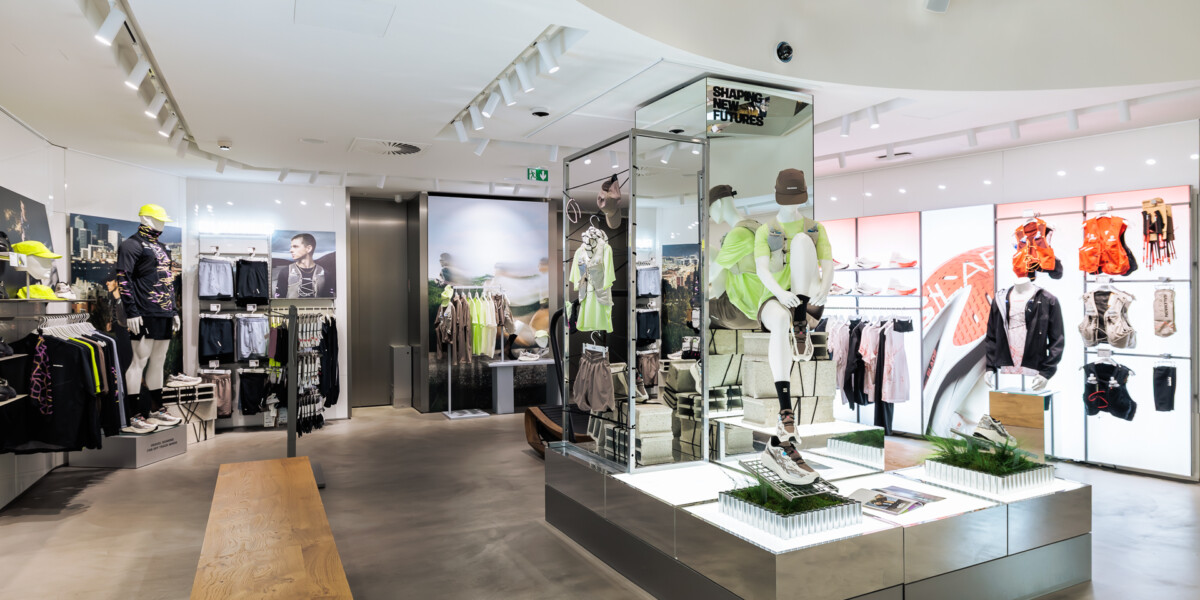
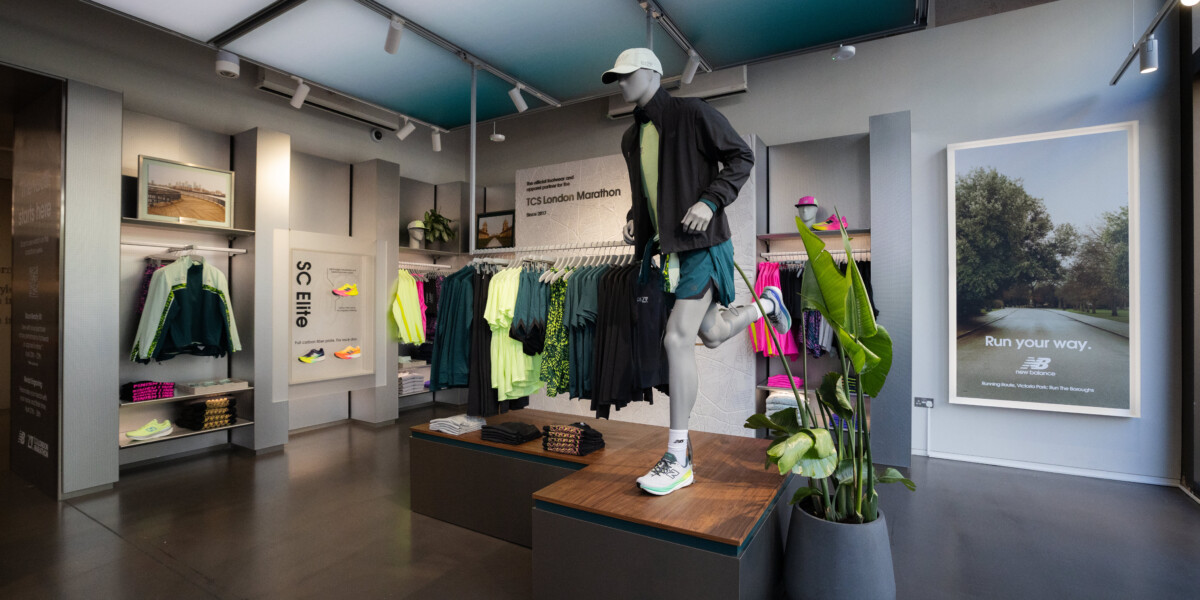
As one of the UK’s largest sporting goods destinations, it brings together some of the world’s biggest performance and lifestyle brands under one roof. Standing out in an environment of this scale takes more than great products – it demands retail experiences that stop customers in their tracks.
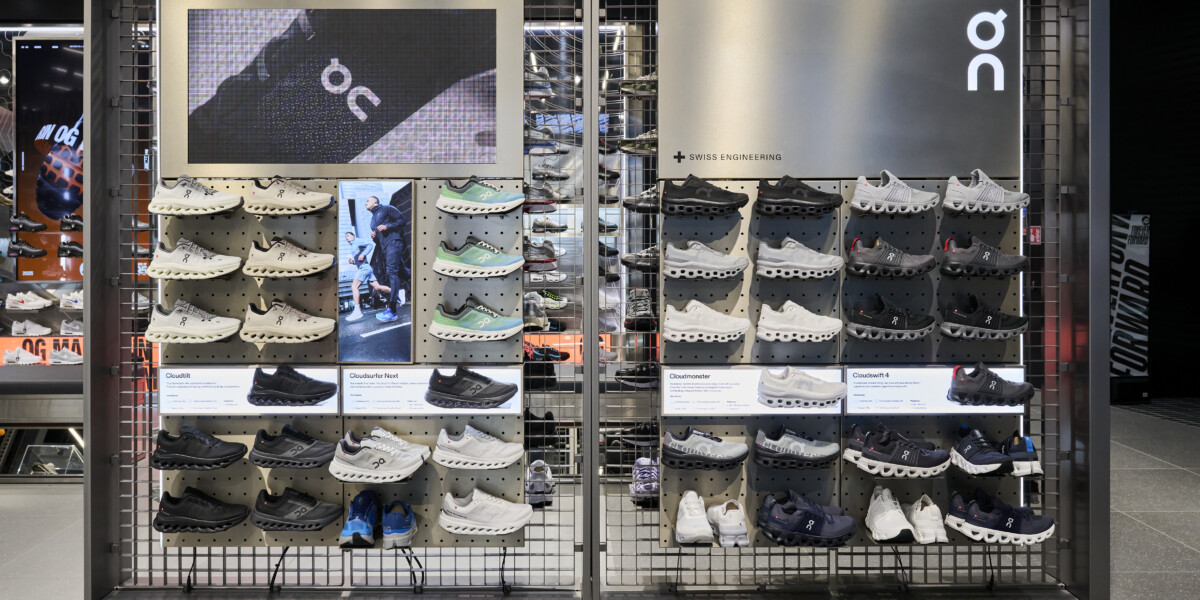
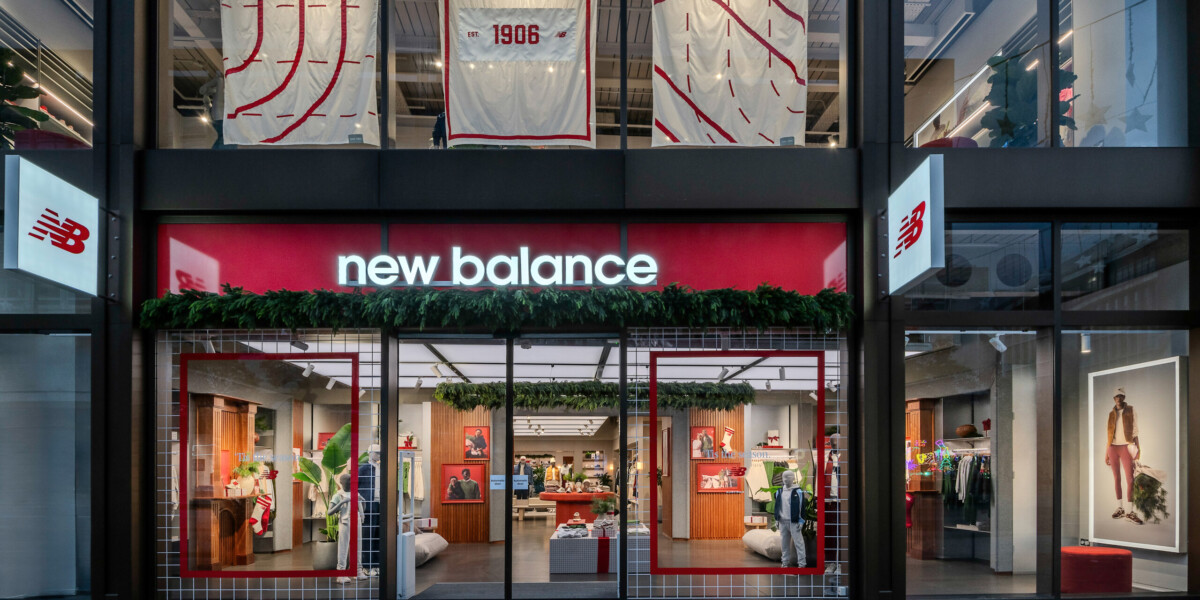
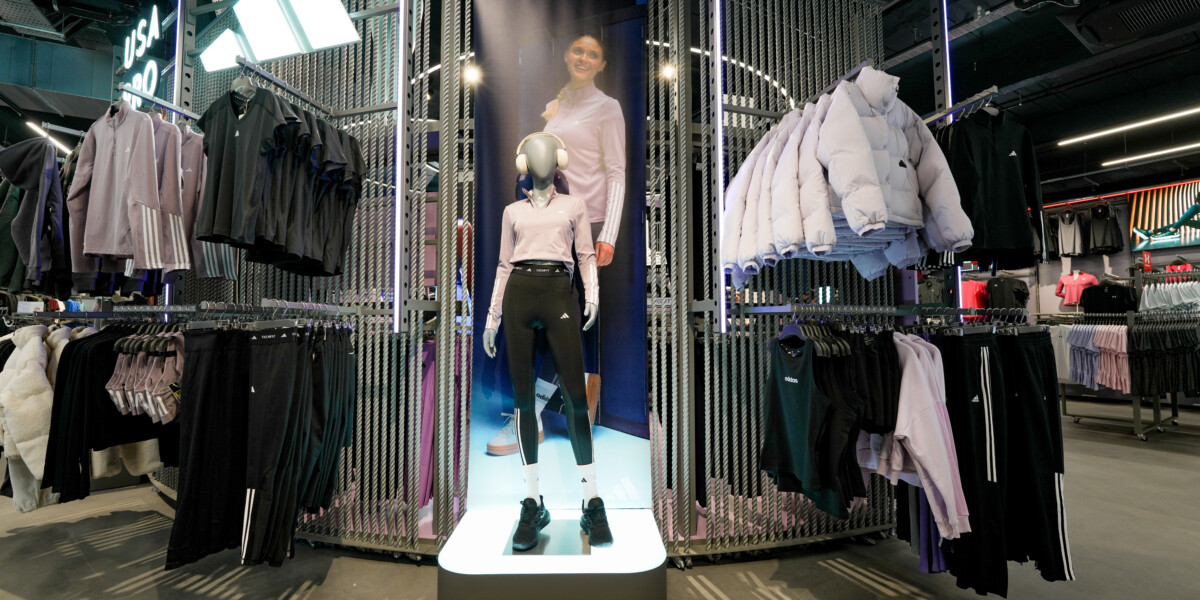
Sports Direct Liverpool flagship, saw us partner with leading brands including adidas, Under Armour, New Balance, Myprotein, The North Face and Columbia to create distinctive retail environments that capture attention and strengthen brand presence. From premium shop-in-shops to immersive brand experiences, each space has been designed to combine creativity, technical expertise and commercial thinking. Together, these projects demonstrate how brands can deliver standout retail experiences that engage customers, reinforce brand identity and thrive within one of the UK’s busiest retail destinations.

Creating Moments That Matter
Pop-up shops allow brands to create high-impact physical experiences without the long-term commitment of a permanent store. Operating anything from a few days to several months, they provide a flexible and cost-effective way to test new concepts, launch products, activate campaigns or enter new markets.
From premium shopping destinations to festivals, exhibitions and major events, pop-up shops enable brands to meet customers where they are, transforming physical spaces into immersive, highly shareable brand experiences. When thoughtfully designed, they generate excitement, strengthen brand awareness and create meaningful connections with customers.

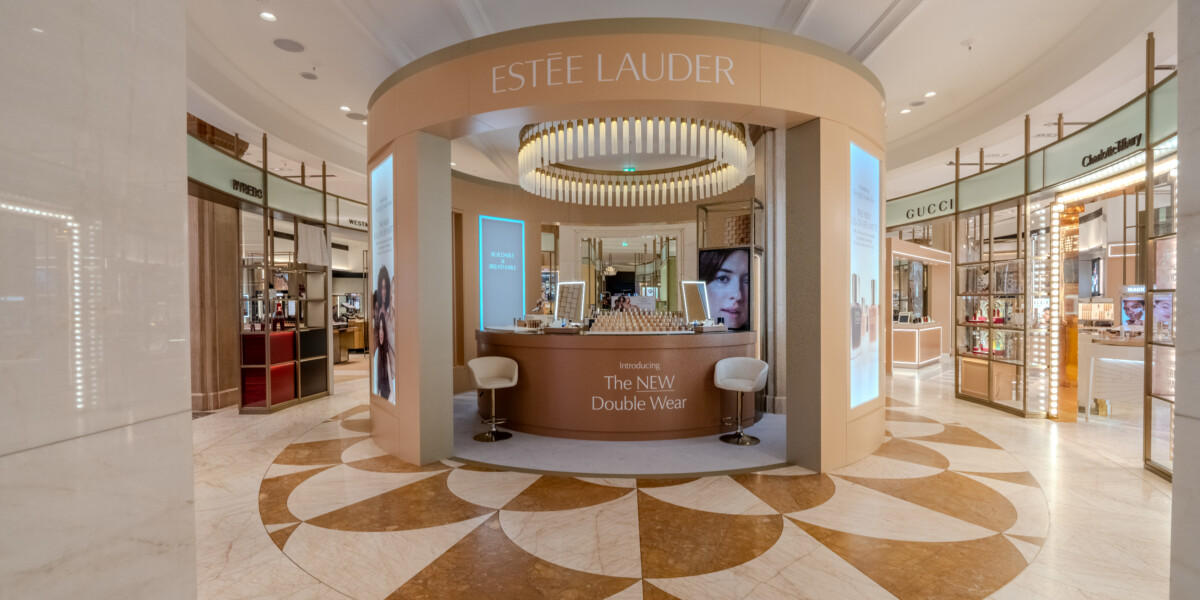
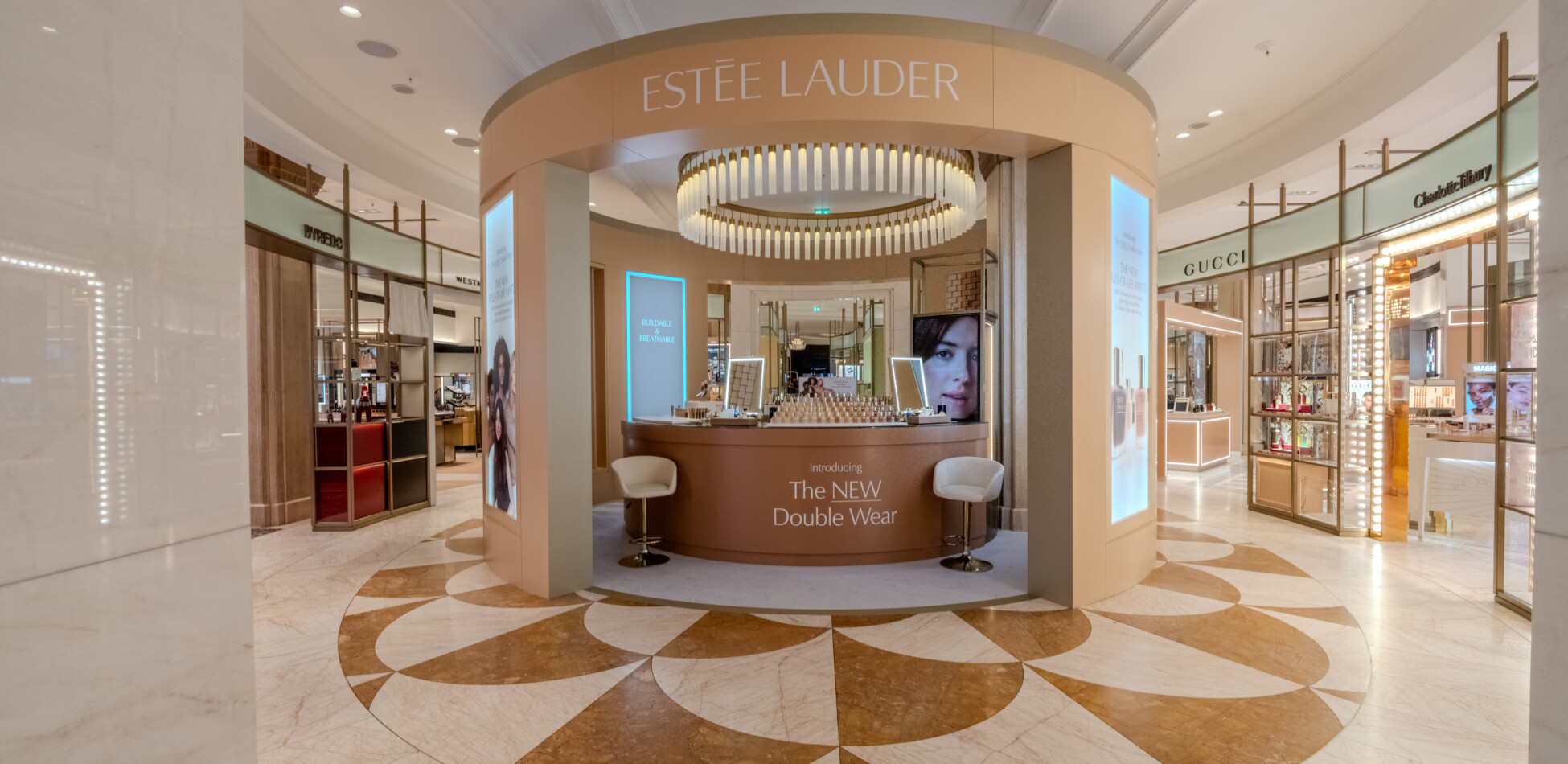
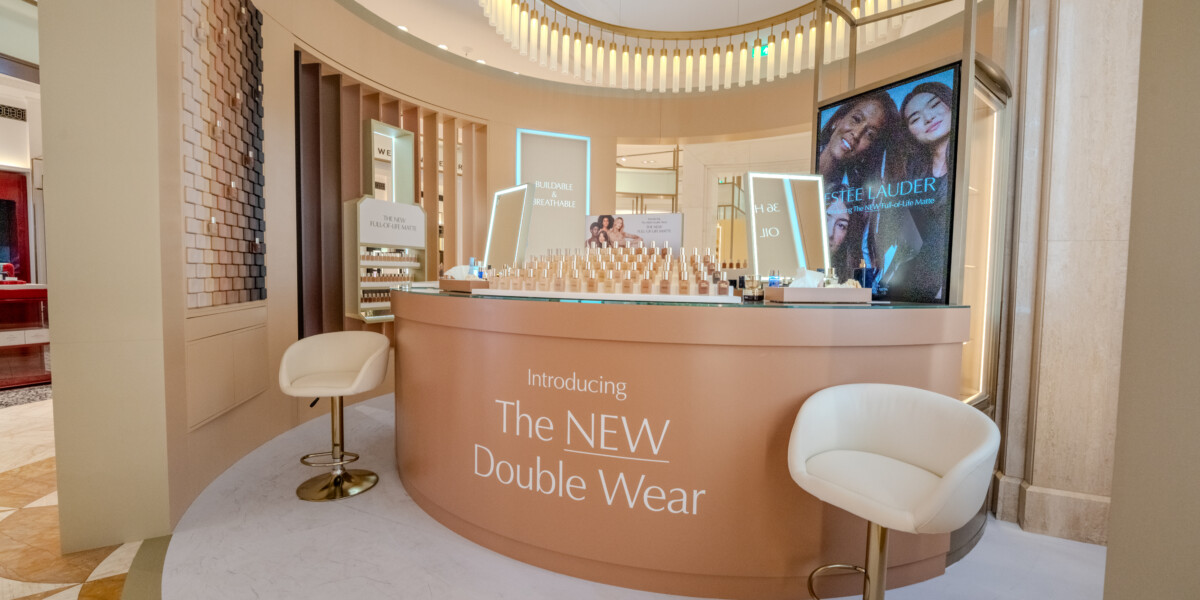
Estée Lauder New Double Wear.
This campaign was about more than just a product update; it was a celebration of a ‘true-to-skin’ match that is now more buildable, long-wearing, and skin-balancing than ever before. With 60 shades to explore, the mission was to help every visitor find the one ‘made for you’, creating a retail moment that was as high-performing and sophisticated as the foundation itself.
The project emerged from a desire to celebrate the prestigious status of the iconic Double Wear foundation. The objective was to create a flagship pop-up destination within the UK that transitioned beyond traditional merchandising into an immersive environment. Conceptual discussions centred on high-engagement features surrounding the celebrated double-wear foundation shades designed to foster organic social interaction while maintaining the brand’s sophisticated atmosphere.
This vision was tailored to accommodate the venue in the Harrods Beauty Hall, designed to exude luxury within one of the world’s most renowned retail landscapes.
Flagship or Pop-Up Which One Actually Works?
Ultimately, the most successful retail spaces are not defined by their size or permanence, but by the experience they create. A flagship works because it plants the brand firmly in a city’s most visible spaces, building authority as much as awareness. A pop-up works because it lets brands test new markets or ideas with low risk and fast turnaround. Whether it’s a flagship store, pop-up shop or
shop-in-shop, every retail environment should reflect the brand’s identity, encourage meaningful customer interaction and remain flexible enough to evolve as customer expectations change. By combining thoughtful design with digital integration and clear commercial objectives, brands can create retail experiences that not only stand out but deliver measurable business results.
Let’s carry on the conversation…