Ideas Made Possible: 24 years of evolution at Design4Retail
An exclusive interview with Josh Knox, Associate Creative Director at Design4Retail.

A VIEW FROM THE STUDIO
The evolution of retail, strategy, senses, and the global future.
INTRODUCTION
In this interview, Associate Creative Director Josh Knox dives into the ‘human imperative’ of modern design,
the shift toward ‘return on impression’ metrics, and why the future of retail lies in entertainment, innovation, and global brand guardianship.
Q1. Please tell us the story behind Design4Retail and how the company has evolved since it was founded?
Q1.
“D4R was started by our three founders; three friends with a shared vision for creating excellent work, drawing on their collective experience of creating global retail design for some of the biggest household names.
When our agency was founded 26 years ago, our focus was on designing and executing displays, taking a quality-led approach to shopfitting for High Street retailers. From then until now, our commitment to quality design and practical application has remained a constant; however, we have grown and evolved exponentially.
Today, D4R has seen the team grow to an impressive group of over 65 creative professionals from across a broad spectrum of skills and disciplines. Together, we imagined how our ‘ideas made possible’ mantra could result in a rigorous approach; not simply designing beautiful things, but researching deeply and planning strategically to inform designs that drive impact and sales.
Our approach today starts with researching the marketplace and focusing on the opportunities available while keeping an eye on the periphery, taking learnings from comparable marketplaces, brands, and consumer behaviour.”
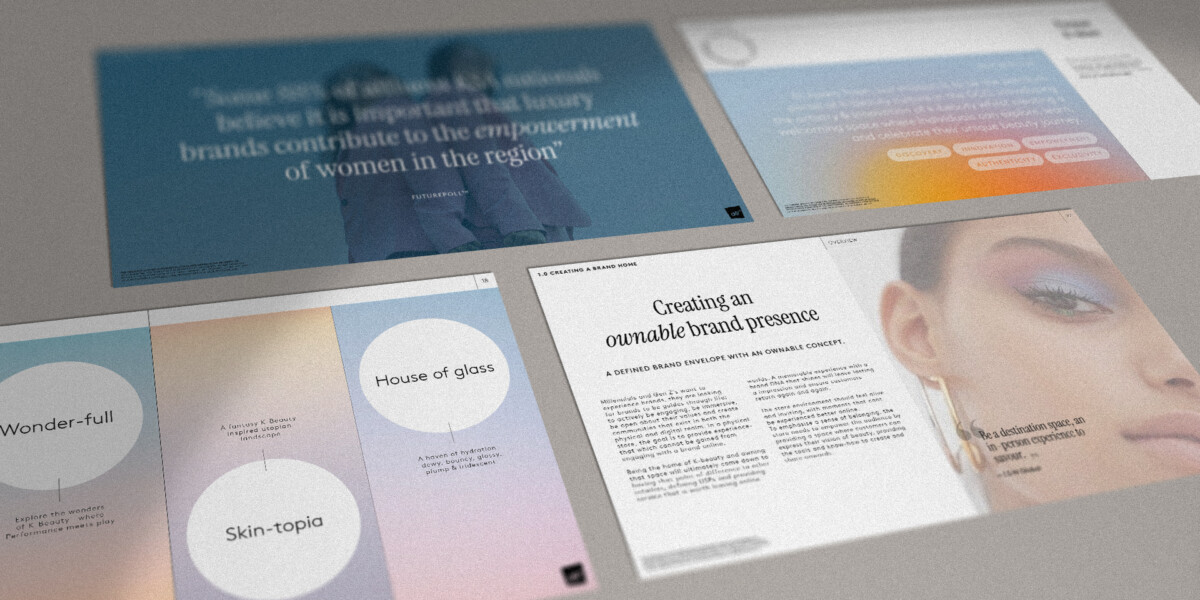
“Research informs our thinking and enables us to build strategies that support and uphold our fierce creativity. Our strategy ensures our creative concepts work, turning a simple idea into a fully functional experience. From concept to reality, our team pools its experience, collaborating to advocate for the best outcome for both our brands and the customers they cater to.
What sets us apart from our point of origin are the needs and desires of customers, end-users, brands, and retailers. With over 26 years of experience as a business under our belts, we can confidently offer our clients solutions that have an impact. Backed by knowledge, we take the guesswork out of design while never losing our passion for the endless possibilities that down-to-earth creativity can unleash.”

Q2. What sets Design4Retail apart from other retail design agencies?
Q2.
“For me personally, D4R sits within a cast of fantastic British design agencies delivering world-class design. However, what sets us apart starts with our commitment to ‘strategy-first’ design; essentially following a ‘look before you leap’ approach that pairs tried-and-tested methods and experience with cutting-edge insight and foresight, quite literally keeping our fingers on the pulse of culture.
We take pride in immersing ourselves within the brands we work with, becoming a part of their world and that of their customers; understanding the challenges and opportunities available. At the outset of every project, we strive to become a retail brand partner; a custodian of brand culture that meets the brand & retail agenda head-on.”
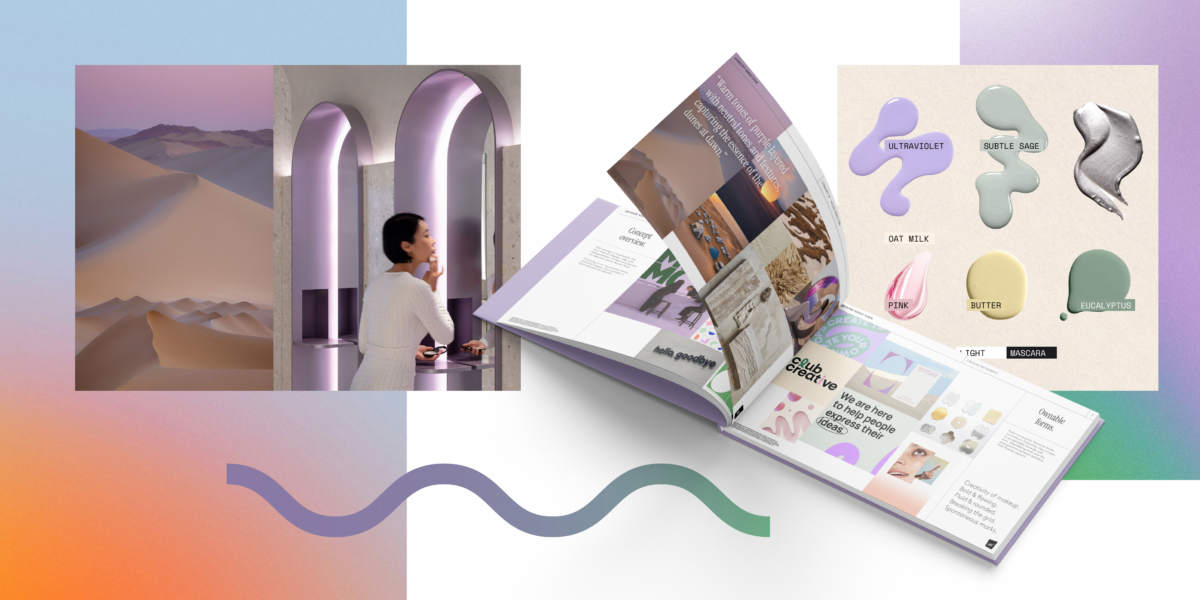
“We are also not simply an agency that seeks to design and leave the realisation and implementation to someone else. We stand by our designs and take design intent, technical development, and engineering to heart. We approach all our projects with the pragmatism of a producer and manufacturer, because we make better decisions knowing that what we design, we can produce.
In this spirit, we offer different ways to deliver projects, whether that be through our trusted UK network and local manufacturing, or through our manufacturing facilities in China, where we can build and roll out at impressive global scales. Whichever route works best for our clients’ brand and investment levels, we have options that make us a reliable hub for rolling out concepts across the globe.”
Q3. In your opinion, what are the biggest challenges currently facing retailers when it comes to store design and customer experience?
Q.3
“Without a doubt, there are three barriers and challenges we see consistently for brands and retailers looking to invest in store experiences. The first is ‘Global Consistency’. Globalisation has led to brands having to take customised approaches across regions, but this can lead to misalignment between regions and the central brand. This is where brand immersion and deep-diving into local culture is key, striking a balance between what local customers want and safeguarding the brand’s globally coherent identity.
A common barrier we see is attracting and justifying investment in retail experiences. We view this not as “what is the cost to execute?” but “what is the cost to the brand of not executing?” Traditional tracking of ROI (return on investment) is shifting; direct sales are a good indicator, but moving to a ‘return on impression’ model ensures that shoppers are empowered to buy via whichever channel suits them.
Gone are the days of ‘simply build it and they will come’, and digitally, providing an online store without any experience is a bygone way of driving sales. Instead, the goal is creating physical and digital experiences that work together to support and inspire loyalty or simply influence a purchase. Getting smarter about how we realise and track these metrics will reveal the true value of investing in bricks and mortar versus the risk of relying on a single, undiversified revenue channel.”
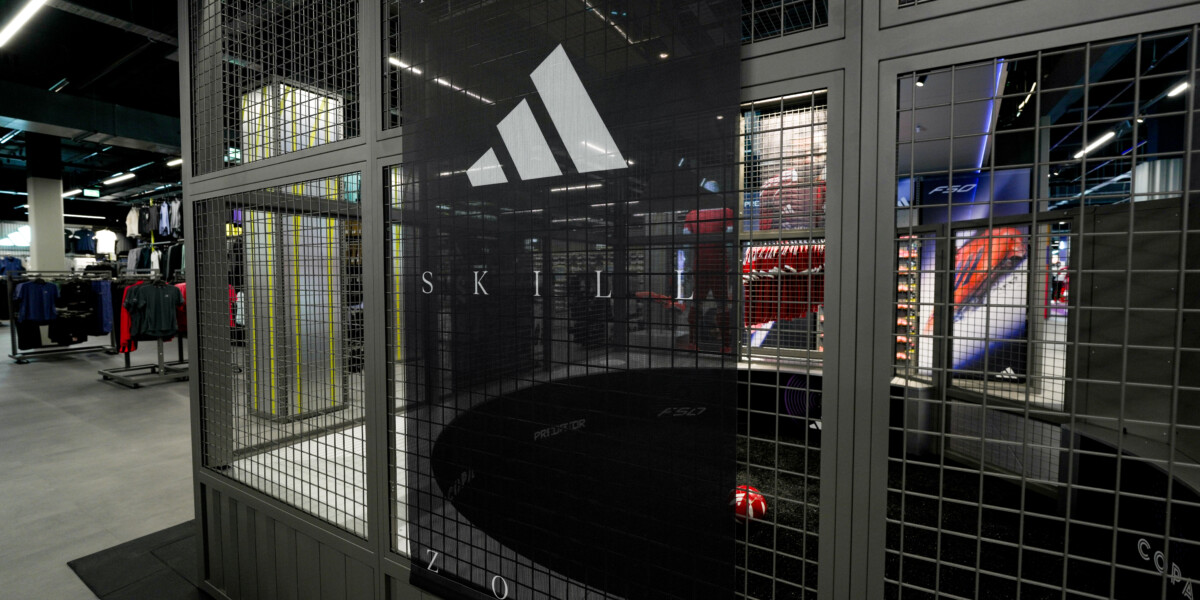
“How to handle digital transformation in-store is also a sticking point for brands & retailers. Many conflate digital with visual disruption, leading to brands vying for attention; especially within multi-brand retail environments, with an over-reliance on screens. Screens have their place, and when serviced with engaging content, can certainly have an impact.
However, with any single person having between two to four screens in their possession at any given time, screen fatigue is real. This has given rise to a yearning for more authentic, tactile, and analogue experiences. Customers enjoy the speed of digital but crave the warmth of the physical. The challenge is avoiding ‘tech for tech’s sake’, as these become experience dead zones once the novelty wears off.
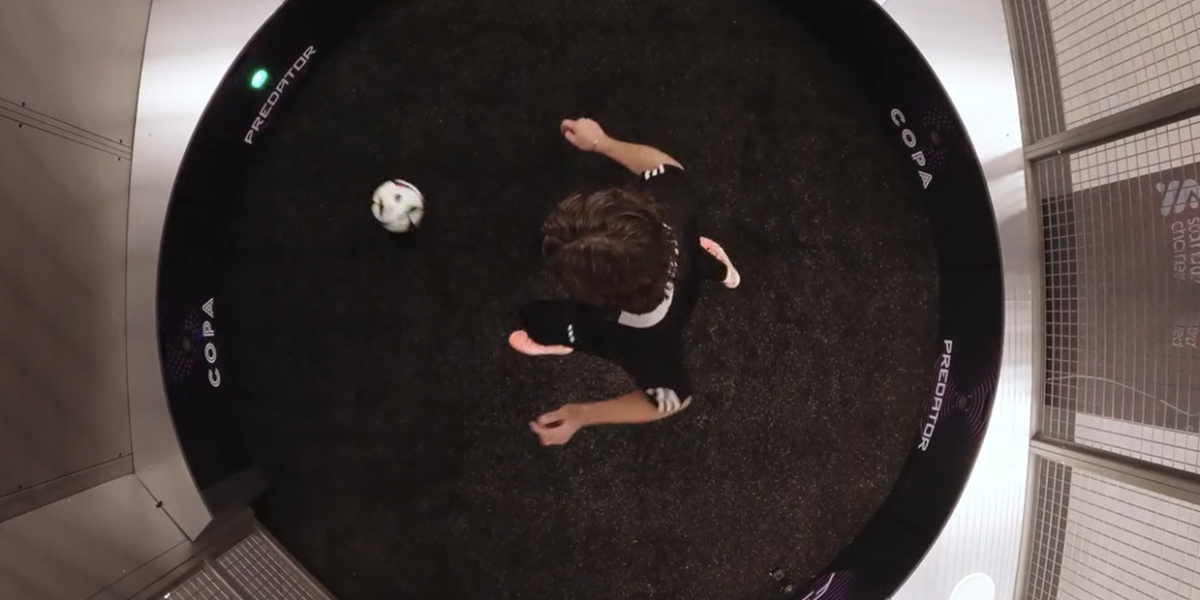
In response, we’re seeing a more intrinsic integration of responsive technologies: RFID used in new ways, such as smart fitting rooms that suggest outfit pairings; lighting effects that respond to customer circadian rhythms; or decision-channelling mechanics that aid discernment and education.”
Q4. What are some of the key things driving customer shopping behaviour today, and how does this influence your creative decision making?
Q4.
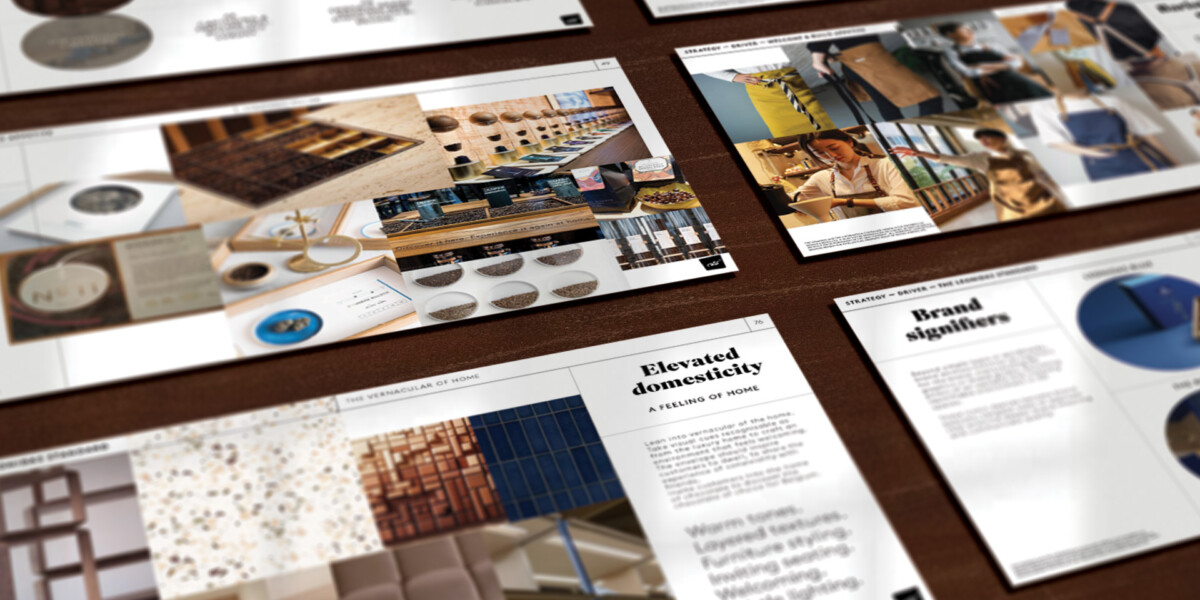
“Consumers are at the heart of everything we do, and their behaviours, wants, and needs should always be at the core of a brand’s retail offering. Right now, we are seeing a complete backlash to AI, with lazy and poor-quality content born from digital cost-saving exercises being coined ‘AI slop’. Stakeholders and boards must keep customers engaged and consider the consequences of dehumanising processes such as brand-world content. We’ve probably all seen the missteps within advertising and commercials lately, but it extends further to poorly written brand copy and homogenous, bland campaigns that compel no-one and erode hard fought authenticity.
The savings AI offers on paper look great, but when customers are the jury and executioner, they know when brands are using AI to produce all their content, and they seem to be disengaging and calling mis-steps out consistently. In fact, we dive deep into this topic in our latest insight report: ‘The human imperative — Navigating brand experience at the dawn of the synthocene’, which explores the value of the human touch and the rejection of ‘AI slop’.”
“Coinciding with a need for real and considered content, shoppers have been firmly shifting to experience-first shopping over purely product convenience. The power of activating the senses is undeniable: “Brands that stimulate multiple senses see an improvement in brand recall by up to 70%.” [Source: Emotional and Cognitive “Route” in Decision-Making Process study].
This is exciting for retailers as it justifies why stores need to evolve. Customers will travel for exciting retail experiences; we’re seeing mass ‘consumerist tourism’ to countries that have already made this shift, with travel to shopping capitals such as Tokyo, Seoul, and Singapore booming. Japan saw 42.7 million travellers in 2025—up 15.8% since last year’s record-breaking high; many of whom visited Tokyo, spending as much as ¥9.5 trillion (over $59.7 billion).
Though the cost of travel to Asia-Pacific nations has become more accessible as of late, we are seeing significant volumes of content showcasing elevated retail offers rarely seen in Western nations. From standout challengers like Gentle Monster—the Korean brand that took the luxury eyewear market by storm, with artistically narrative shopping experiences; to the Pokémon Centre flagship and other ‘brand-ship’ stores across Tokyo being exported as pop-ups globally, these spaces deliver experiences that excite the senses and beckon consumers to make the journey.”
Q5. Looking ahead, how do you see retail spaces evolving over the next five years?
Q5.
“Without a doubt, we must see stores in the West catch up with the innovation of experiences in Seoul, Tokyo, and Singapore. We find ourselves citing case studies from the Asia-Pacific region with increasing regularity. These stores are masterclasses in the art of the ‘brand-ship’: multi-floored, multi-faceted spaces that offer products, dwell spaces, community hubs, content creation platforms, sensory discovery, refreshment, and destination-level retail.
We think retail will continue to move beyond simple convenience; that is best served via other channels. Instead, retail will be more about entertainment than ever before. ‘Retail therapy’ is not a new pastime, but we expect to see a shift toward malls and stores becoming increasingly important meeting places. Newness and discovery will play a huge role in how stores keep shoppers returning.
Take spaces like the Selfridges Corner Shop for example, which features some of the world’s best small pop-up takeovers and collaborations, renewed regularly. These are spaces that evolve and move with agility to inspire visits, helping shoppers to put down their smartphones and engage in offline, human experiences.”
“The focus on capitals may also start to diffuse toward more provincial cities. In the UK, our home turf, we’re seeing brands increasingly investing in the ‘Northern Powerhouse’ regions, with Liverpool and Manchester seeing stronger levels of investment, alongside London. This shift is key for brands over the next five years, as cities outside the capital have been neglected for too long.
This has given rise to new brands challenging the top names, as competition is lower and opportunities to make an impact are more abundant. We hope to see this replicated globally; as stated by UN statistics, 90% to 95% of the world’s population does not live in a capital city, which suggests the opportunity for brands outside of major capitals is vast.”
Q6. Finally, what’s next for Design4Retail – are there any new directions, sectors or ambitions the company is focusing on?
Q6.
“We are excited to champion brand activations and experiences, supporting brands by being a part of the change; shifting from solely product-focused stores to experiential destinations. This coincides with our ambition to deliver even more flagship experiences globally, showing brands at their very best and exciting shoppers with exploratory experiences that breathe life into our High Streets and retail locations. We pride ourselves on brand and retail guardianship and are excited to continue our upward trend of supporting brands in realising retail success in a consistently creative way.
New markets we are looking to delve into include the Chinese luxury market, which continues to grow and influence global consumerism. New Chinese-born brands are making their way into our home UK market, bringing a renewed appetite for British design and presenting new opportunities.
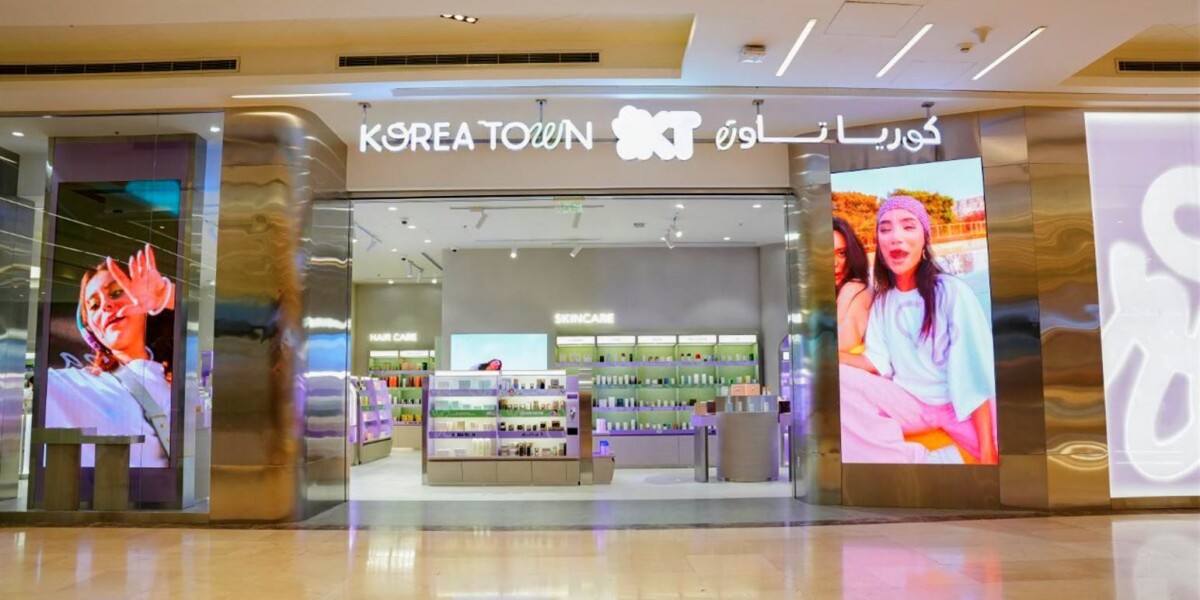
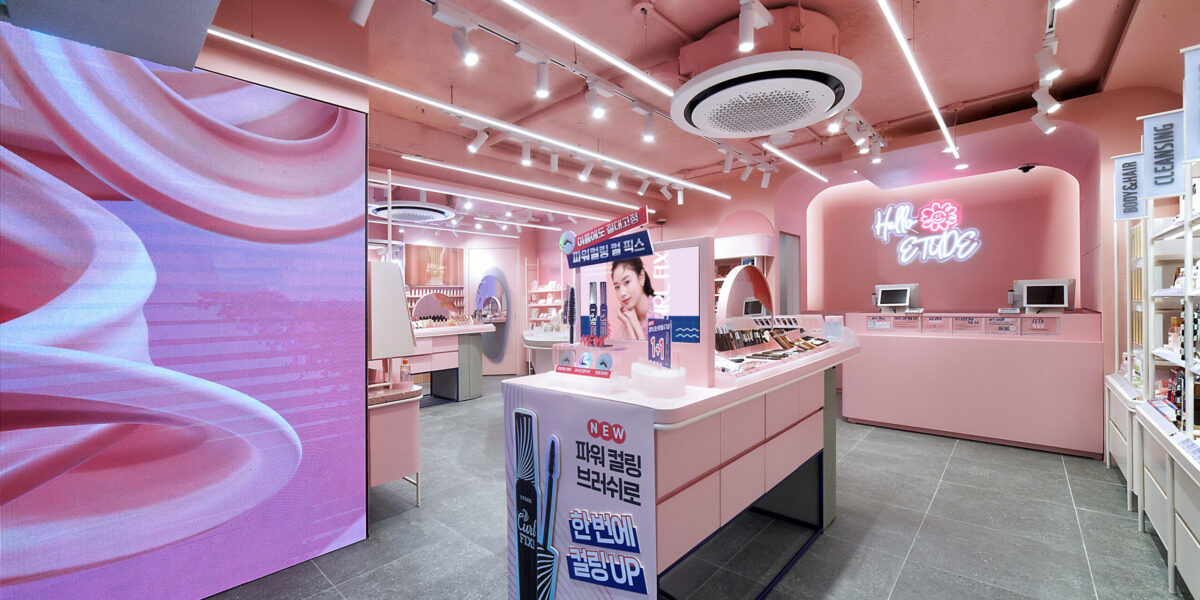
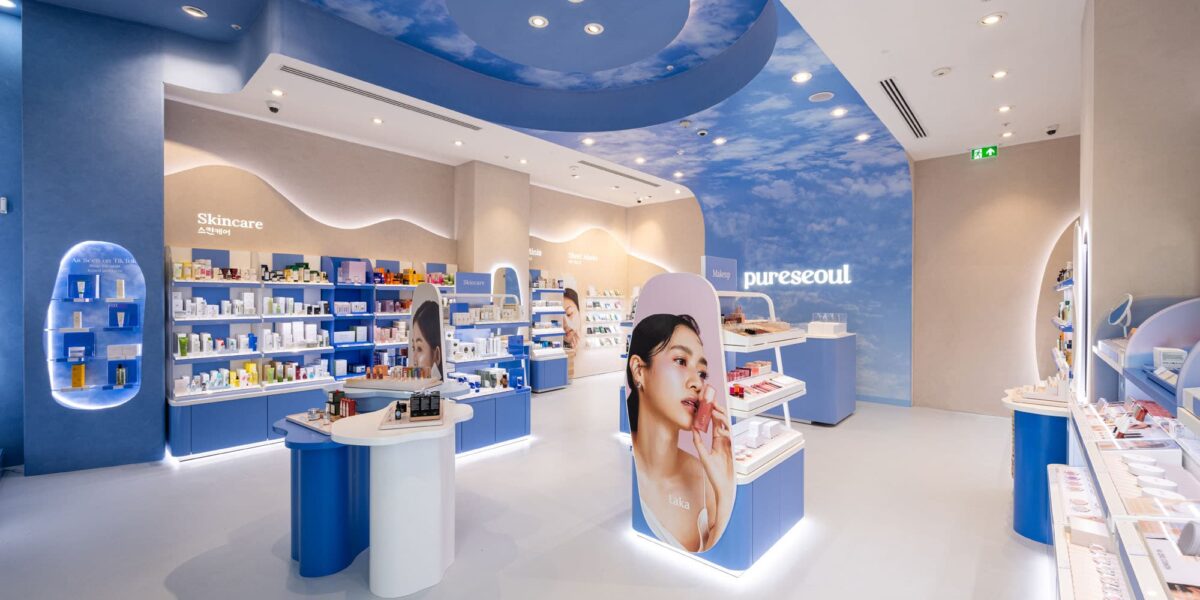
We’ve made a name for ourselves among global beauty brands, and we hope to continue to be involved in the Korean ‘Hallyu’ wave in tech and beauty. We’re also very excited to continue extending our global reach, rolling out vast yet cohesive projects in all markets, from EMEA to APAC, NA to MENA, and beyond.”
Meet the contributer
Josh Knox, Associate Creative Director at Design4Retail.

Let’s carry on the conversation